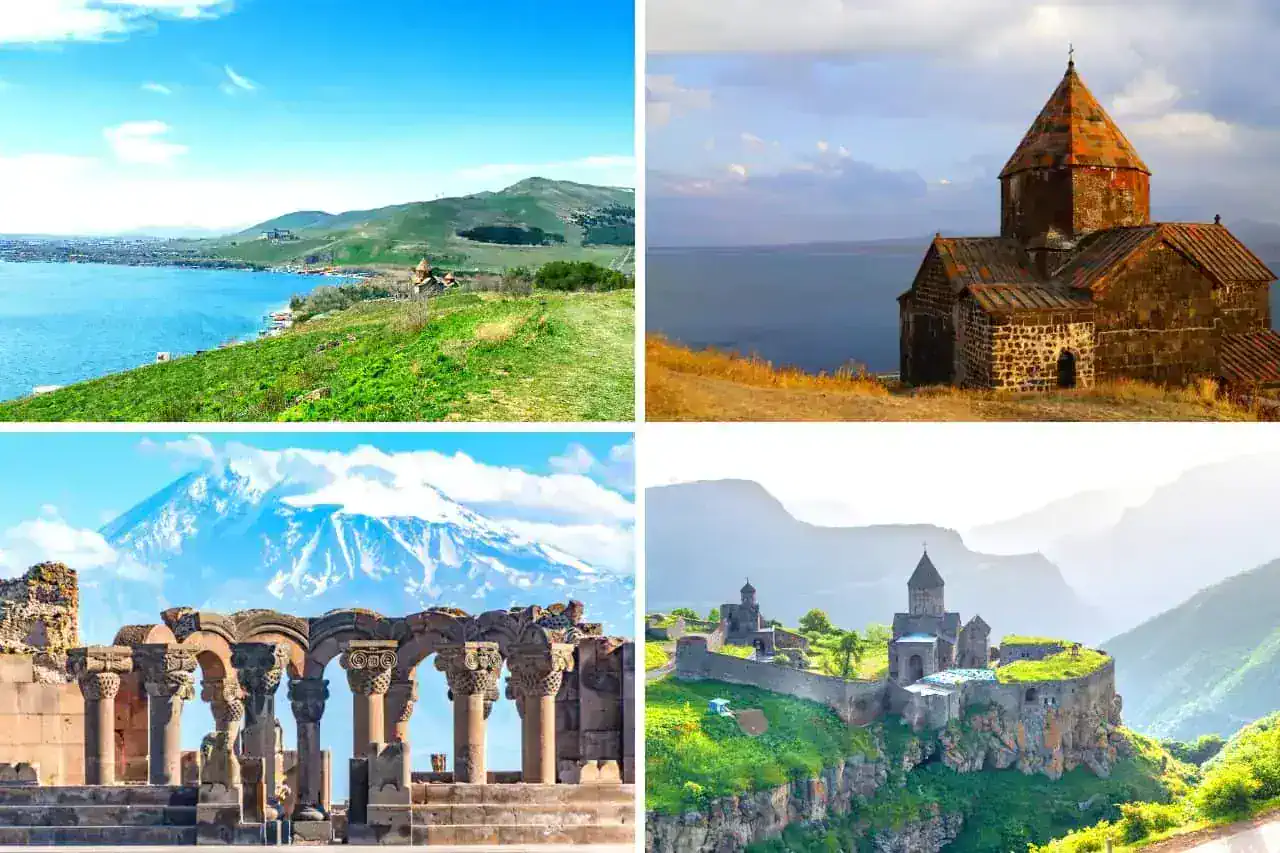
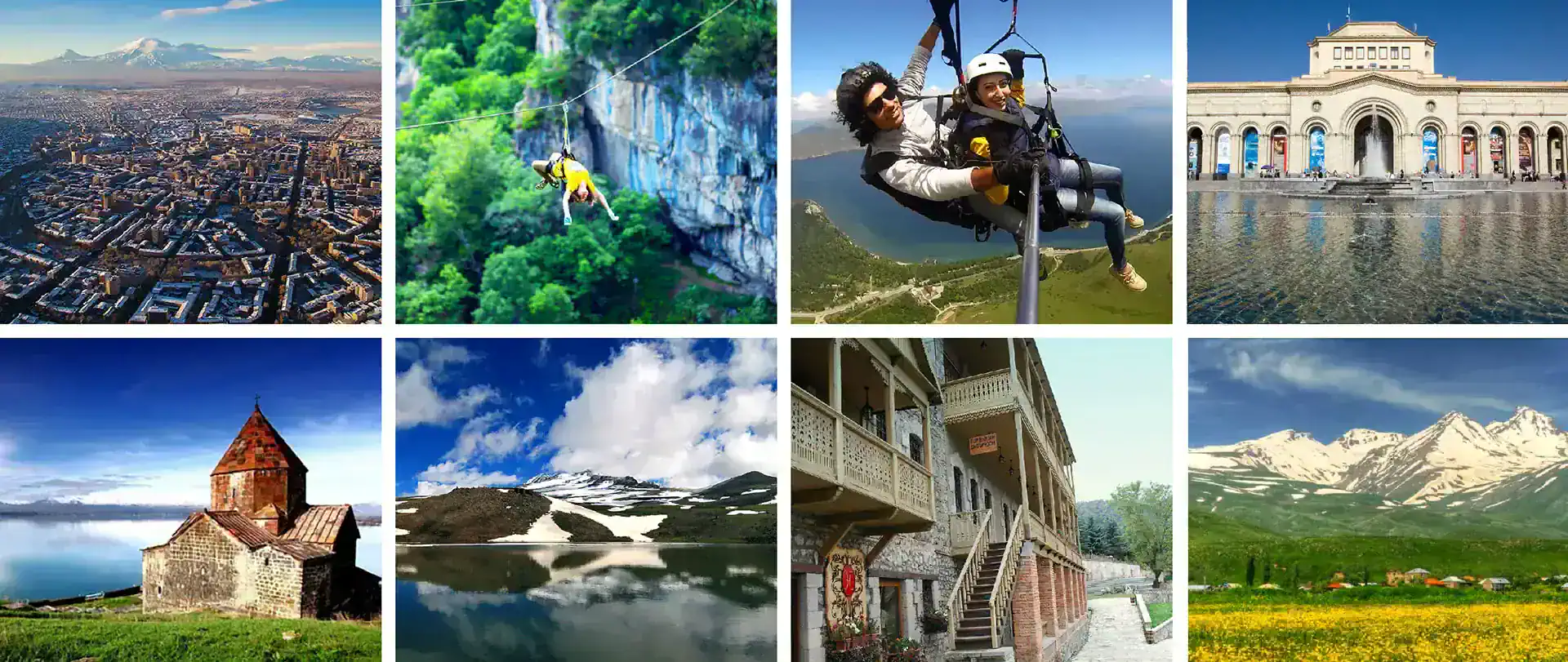
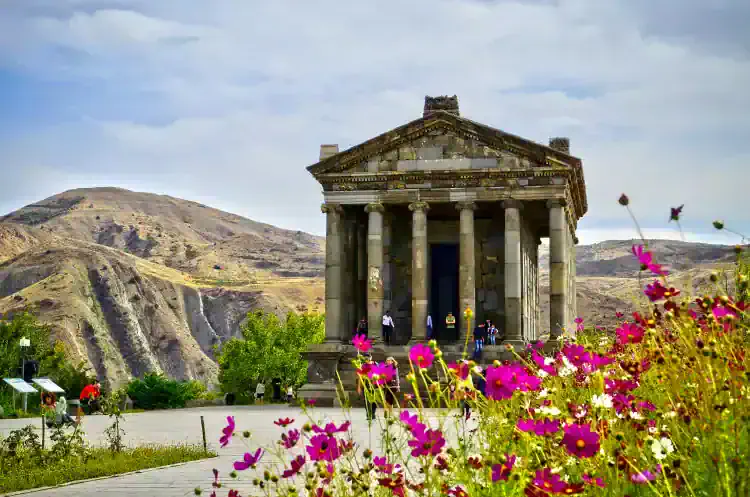
Beyond the classic stops of Yerevan and Lake Sevan, Armenia hides its best secrets for those willing to wander. It is a land of heart-shaped alpine lakes, forgotten medieval bridges, and hidden geysers.
In the quiet corners of the Caucasus, you’ll find remote monasteries where the only sound is birdsong—offering a raw, magical beauty that goes far beyond the tourist maps.
At Armenia Discovery, we have spent years exploring every province, hiking every ridge, and talking to locals who know their land intimately. In this guide, we reveal 10 extraordinary places in Armenia that most tourists never find — with honest travel tips, best-visit seasons, and the inside knowledge you need to experience them responsibly.
Whether you're a seasoned backpacker, a history buff, or simply someone who wants to see Armenia beyond the postcards, this list is for you. Bookmark it, share it, and — most importantly — go.
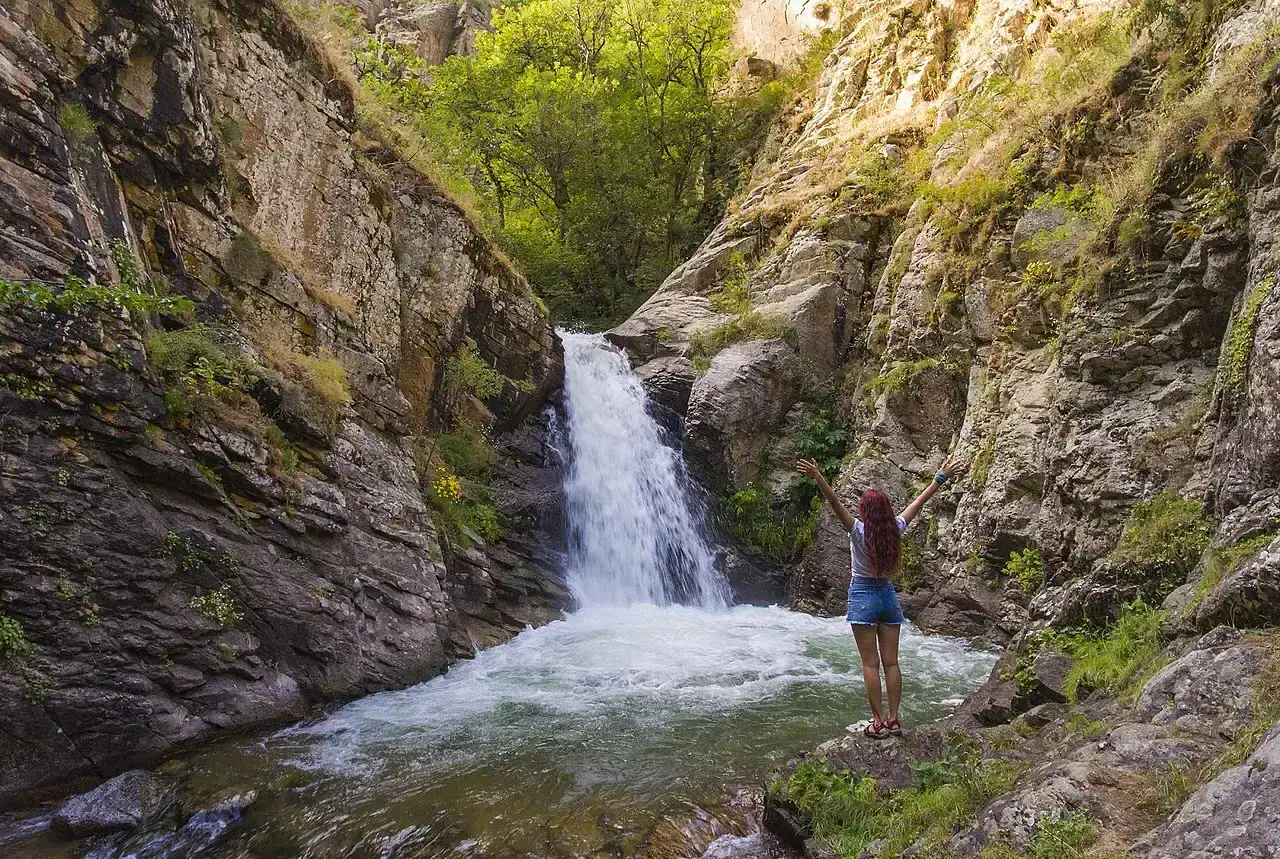
1. Lichk waterfall — The Heart of the Meghri Mountains
Syunik Province | Best time: May – October
Deep in the south of Armenia, tucked within the rugged and majestic peaks of the Meghri Ridge, lies one of the country's most stunning alpine secrets. Unlike more accessible tourist spots, this heart-shaped lake remains almost entirely untouched. Located near the village of Lichk, its perfect romantic silhouette is best viewed from the surrounding ridges.
The journey to the lake is a true adventure, passing through abandoned copper mines and alpine meadows where the air is thick with the scent of wild thyme. This is the ultimate destination for those seeking solitude: there are no crowds here, only crystal-clear water reflecting the high Syunik sky and a silence broken only by the wind.
- Best season: Late spring to mid-autumn. In winter, the mountain roads leading to the high villages of Meghri can be difficult to navigate.
- Getting there: Meghri is ~370 km from Yerevan. From the town of Meghri or Kapan, head towards the village of Lichk. A 4WD vehicle is recommended to reach the trailhead.
- Important: As this region is close to the border, always carry your identification documents with you.
![]()
2. The Geyser of Jermuk — A Natural Eruption in a Spa Town
Vayots Dzor Province | Best time: Year-round
Jermuk is famous throughout the Caucasus for its mineral water and for its Soviet-era spa culture. But most visitors collect their bottle of sparkling water from the drinking gallery and leave without knowing about the geyser hidden in the gorge below town.
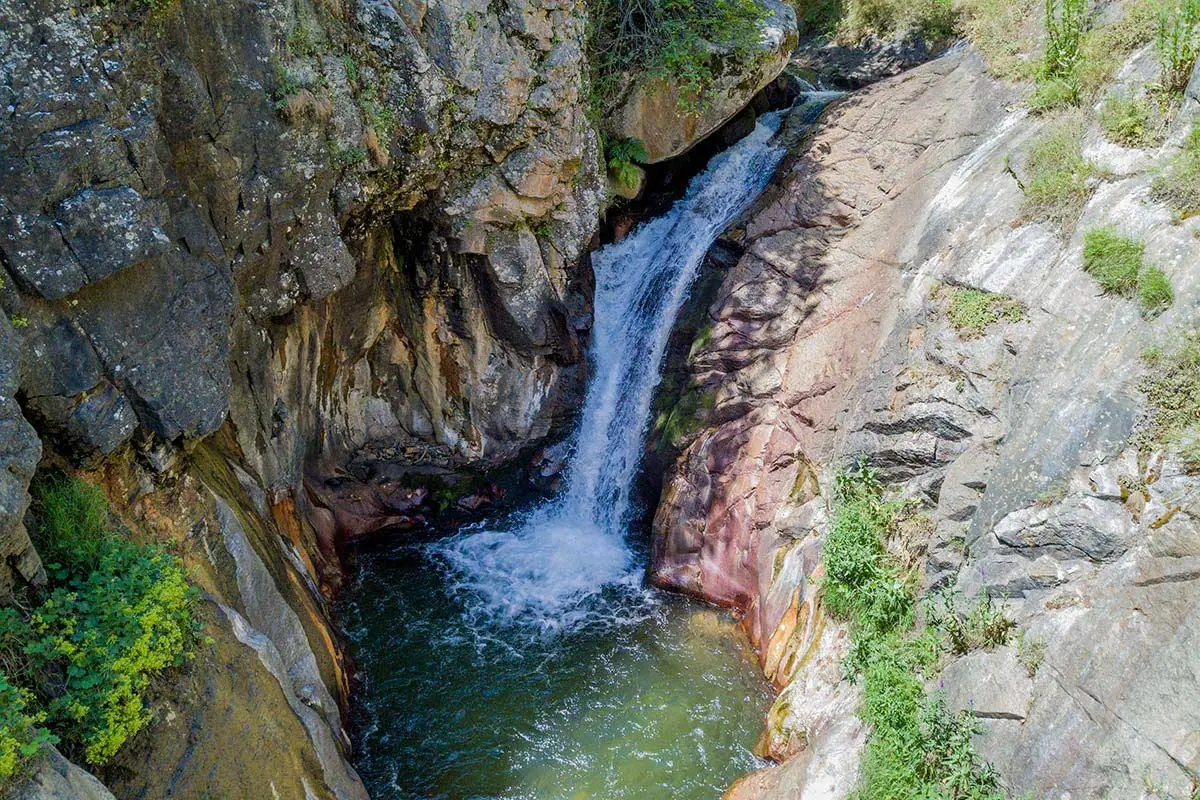
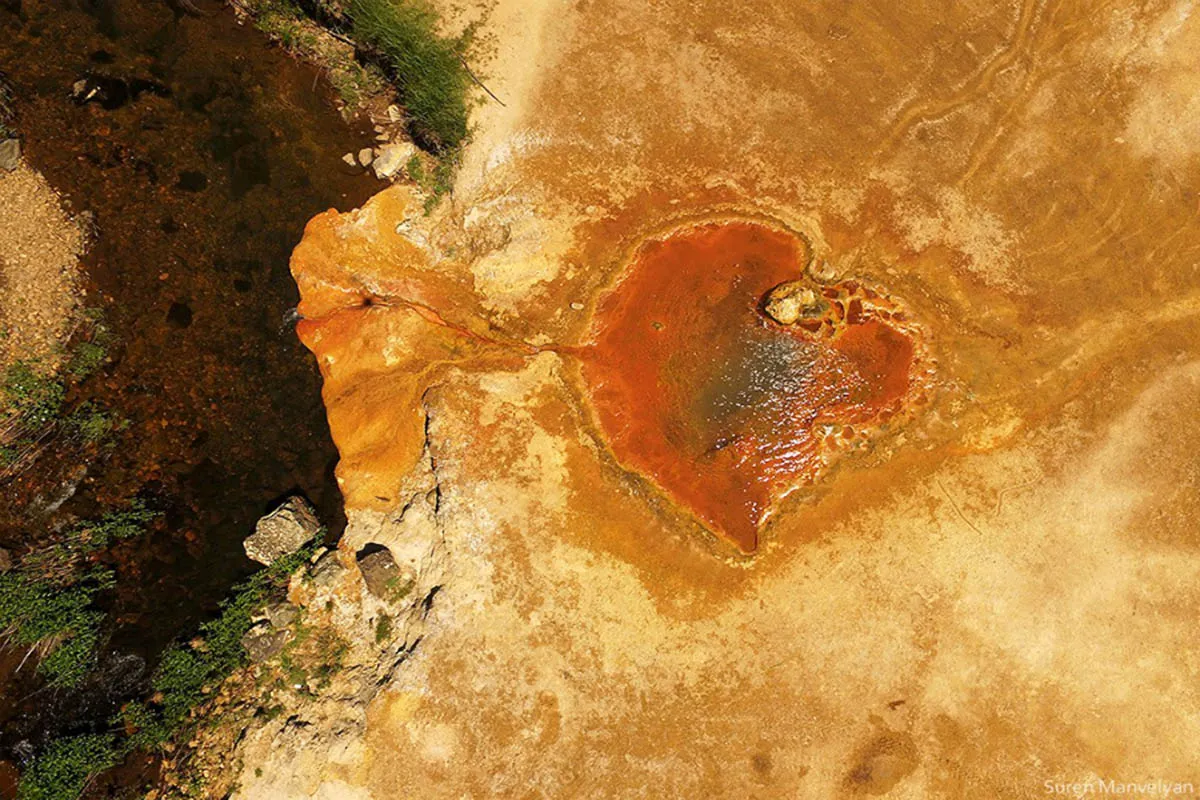
The Jermuk Geyser is a natural phenomenon where superheated mineral-rich water periodically erupts from the earth in a column that can reach several metres. Sitting at the edge of the dramatic Arpa River canyon, the geyser is accessible via a moderate downhill trail from the town centre. The surrounding walls of the gorge are streaked with mineral deposits — rusty reds, sulphur yellows, and chalky whites — that look almost alien.
Jermuk also sits within the broader Vayots Dzor Province, one of Armenia's most underrated wine regions. After the geyser, consider visiting one of the local wineries producing wines from the native Voskehat grape — an experience perfectly paired with the town's healing atmosphere.
Best season: Year-round, though autumn colours in the canyon (October) are spectacular.
Getting there: Jermuk is ~170 km from Yerevan (~3 hrs by car).
Local tip: Combine with the Jermuk Waterfall (one of Armenia's most powerful) just upstream in the same gorge.
![]()
3. Meliq Tangi Bridge — A Mediaeval Marvel Over the Abyss
Syunik Province | Best time: April – October
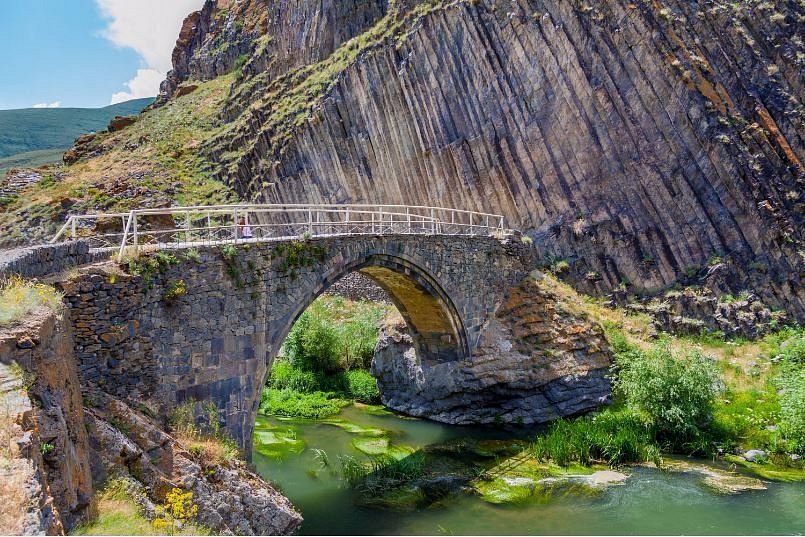
Deep in the rugged canyons of Syunik, southeastern Armenia's wildest province, a single-arch stone bridge spans a gorge as if suspended by magic. The Meliq Tangi Bridge dates to the mediaeval period and was likely used by caravans travelling the historic Silk Road routes through this part of the Armenian Highlands.
Unlike the more tourist-visited Khndzoresk Suspension Bridge, Meliq Tangi is genuinely remote. Getting there requires driving on unpaved mountain roads and then hiking for 1–2 hours through a landscape of towering basalt cliffs, oak forests, and rushing streams. The payoff is extraordinary: the bridge itself, arching gracefully over a deep ravine, is a feat of Armenian stone masonry that has endured centuries of earthquakes, floods, and neglect.
Few guides mention it. Almost no tour companies visit it. That alone makes it worth the effort.
Best season: Spring (April–May) for wildflowers; autumn (September–October) for golden foliage.
Getting there: Drive to Goris (~310 km from Yerevan), then take local directions towards the gorge. A local guide is strongly recommended.
Photography: Morning light hits the bridge from the east — arrive early for the best shots.
![]()
4. Horomayr Monastery — The Forest Hermitage of Lori
Lori Province | Best time: May – October
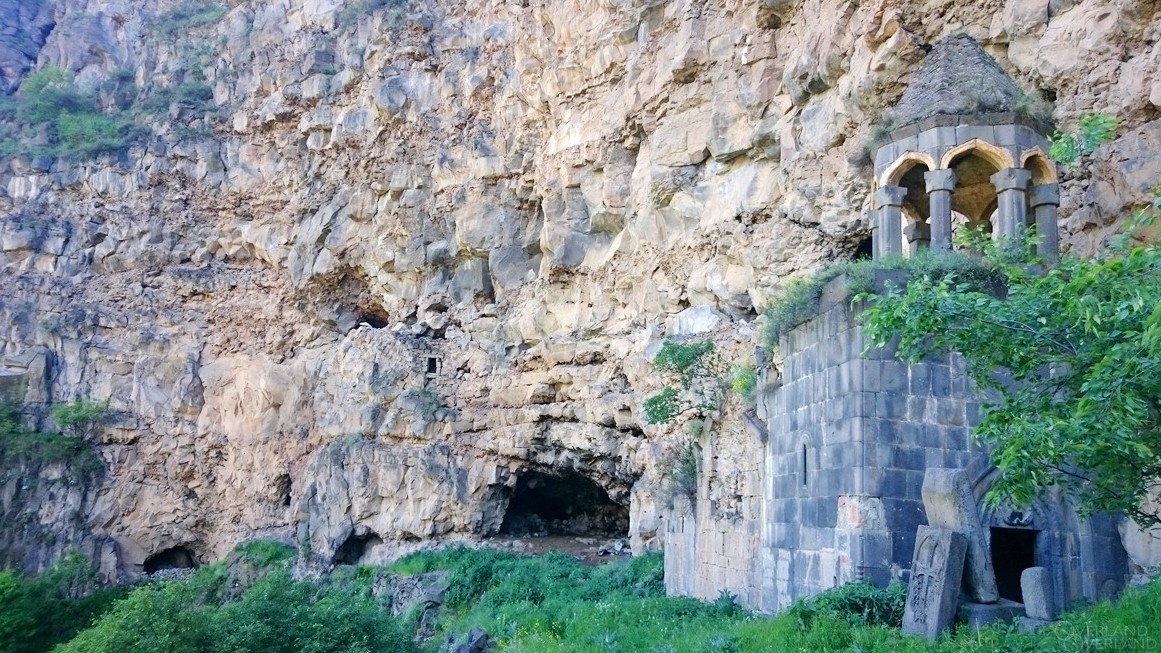
Lori Province in northern Armenia is famous for its deep gorges and the UNESCO-listed monasteries of Haghpat and Sanahin — but even here, a lesser-known gem hides in the dense oak and beech forests: Horomayr Monastery.
Founded in the 10th century, Horomayr (sometimes spelled Horomos or Horomayri) sits in a forested valley that feels genuinely untouched. The complex includes a main church, a gavit (narthex), and the ruins of several auxiliary buildings reclaimed by moss and time.
What truly sets Horomayr apart from the more visited monasteries in the region is the journey. The monastery is reachable via a forest trail that passes through groves filled with wild garlic in spring and mushrooms in autumn.
Best season: May–June for spring forest bloom; September–October for autumn colours.
Getting there: The monastery is accessible from the town of Alaverdi or from the village of Koghb. Roads require a sturdy vehicle.
History note: Lori's monasteries were centres of manuscript production — the art of Armenian illumination flourished in these very forests.
![]()
5. Noratus Cemetery — A Field of a Thousand Khachkars
Gegharkunik Province | Best time: Year-round
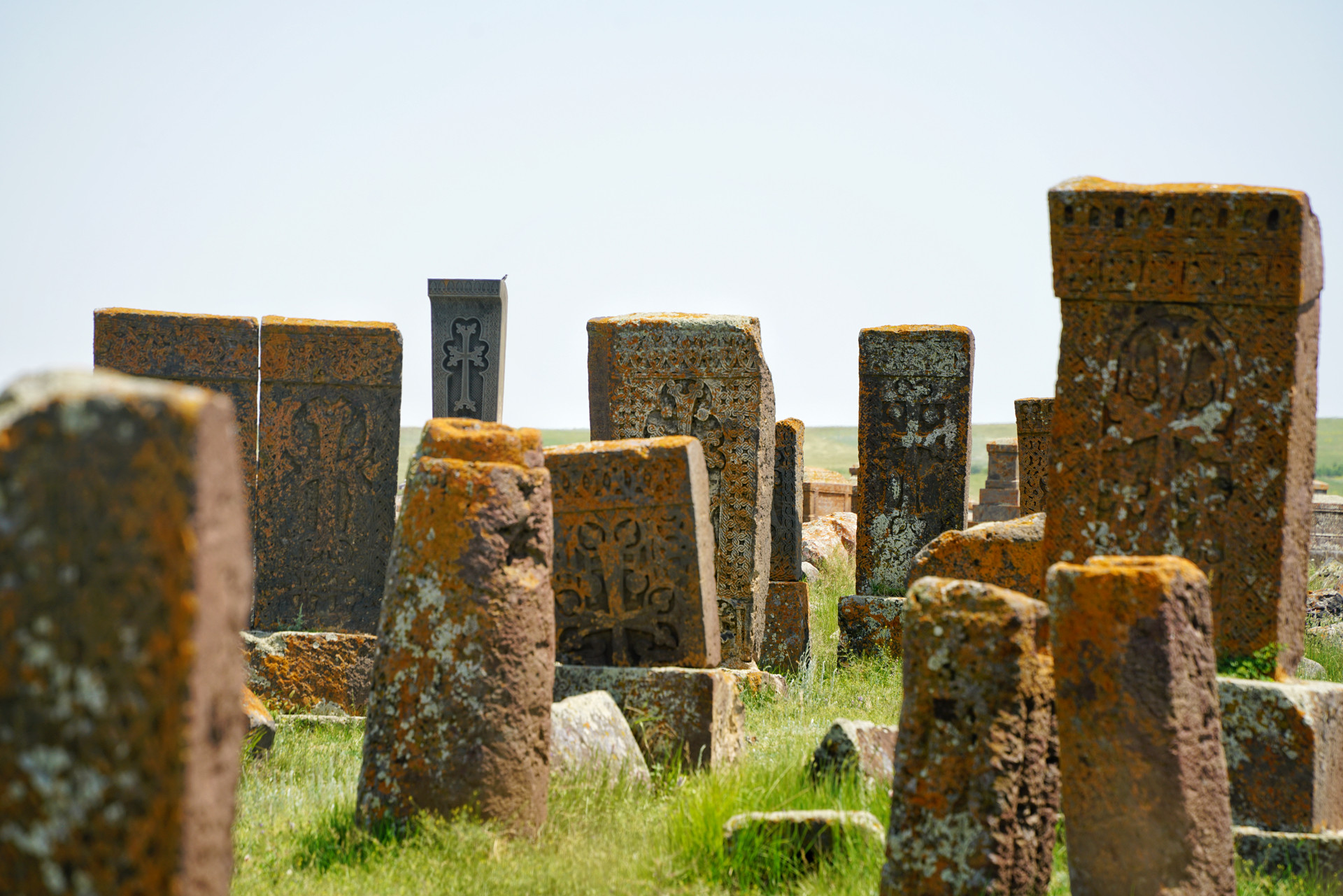
Most visitors to Lake Sevan head straight to Sevanavank Monastery on its famous peninsula. Almost none make the short detour to Noratus village, which contains the largest surviving collection of mediaeval khachkars in the world — nearly 1,000 hand-carved cross-stones, some dating to the 10th century, spread across a cemetery on a gentle hillside above the lakeshore.
Entry is free. The village is welcoming. From the cemetery, you can hike to the Noratus Peninsula for views across the turquoise expanse of Sevan — arguably the best lake panorama in the entire country.
Best season: Year-round, but avoid the muddy shoulder seasons (March–April). Summer evenings are magical.
Getting there: ~80 km from Yerevan on the M10 highway towards Sevan. Well-signposted from the main road.
Combine with: A visit to Sevanavank Monastery and a swim in Lake Sevan for a full day trip.
![]()
6. Lastiver Cave Trail — Into the Forested Gorges of Tavush
Tavush Province | Best time: April – November
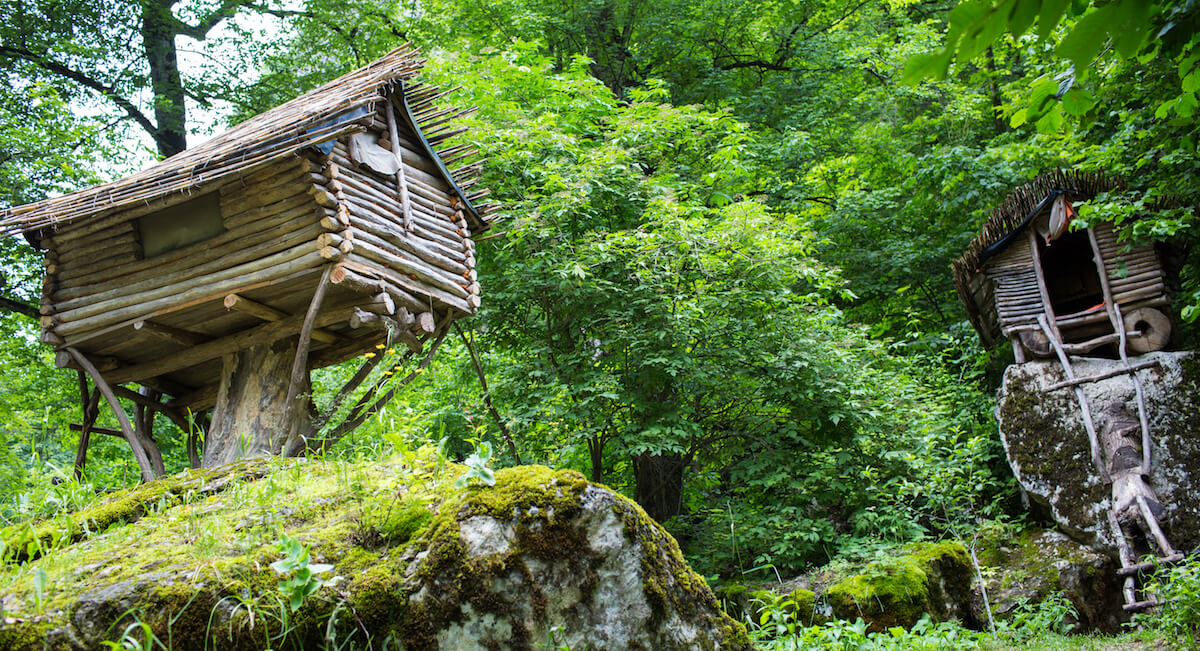
In the green, forested north of Armenia, the province of Tavush holds one of the country's most beautiful hiking destinations: Lastiver. Hidden along the banks of the Khach Aghbyur River, about 3 kilometres from the village of Yenokavan, Lastiver is a complex of ancient cave dwellings, waterfalls, rope bridges, and mossy canyon walls that feels lifted from a fairy tale.
Local families in Yenokavan offer simple homestay accommodation and home-cooked meals, making Lastiver an ideal overnight destination.
Tavush Province is also home to Dilijan National Park, often called the 'Switzerland of Armenia' for its forested hills and traditional architecture. Lastiver pairs perfectly with a stay in Dilijan town.
Best season: Late spring to early autumn. The gorge is lush and waterfalls are fullest in May–June.
Getting there: Drive or take a marshrutka to Ijevan (180 km from Yerevan), then taxi to Yenokavan.
Stay local: Book a homestay in Yenokavan for an authentic experience and to support the local community.
![]()
7. Khndzoresk Cave Village — Life Carved into the Cliffs
Syunik Province | Best time: April – October
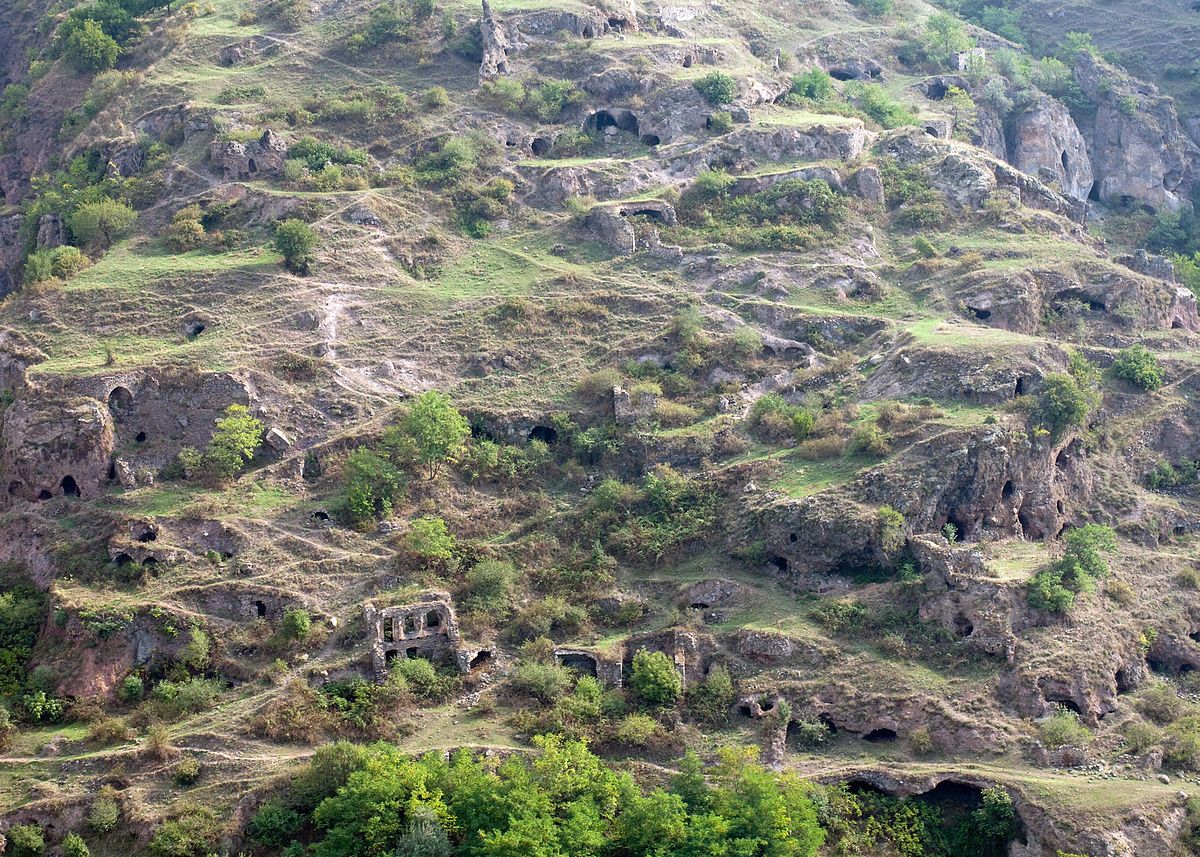
Near the town of Goris in southern Armenia, the abandoned cave village of Khndzoresk is one of those places that stops you mid-sentence. Hundreds of cave dwellings — once home to thousands of people — are carved directly into the soft tuffa stone cliffs of a dramatic gorge, stacked on top of one another like a vertical city.
The village was inhabited until the mid-20th century, when Soviet authorities relocated residents to the modern town of Khndzoresk above. Today, a remarkable 160-metre suspension bridge spans the gorge, connecting the two sides of the old village and providing dizzying views down into the caves. Some former residents still tend gardens in the abandoned settlement below.
Walking through Khndzoresk you'll find carved stairs, ruined churches, storage cellars, and — if you look carefully — pottery shards and other traces of daily life left behind. It is hauntingly beautiful.
Best season: Spring and autumn offer the best colours and comfortable temperatures.
Getting there: 12 km from Goris. Goris is ~310 km from Yerevan via the M2 highway.
Safety: The bridge can be crowded on summer weekends. Go early in the morning.
![]()
8. Ughtasar Petroglyphs — Prehistoric Art at the Top of the World
Syunik Province | Best time: July – August only
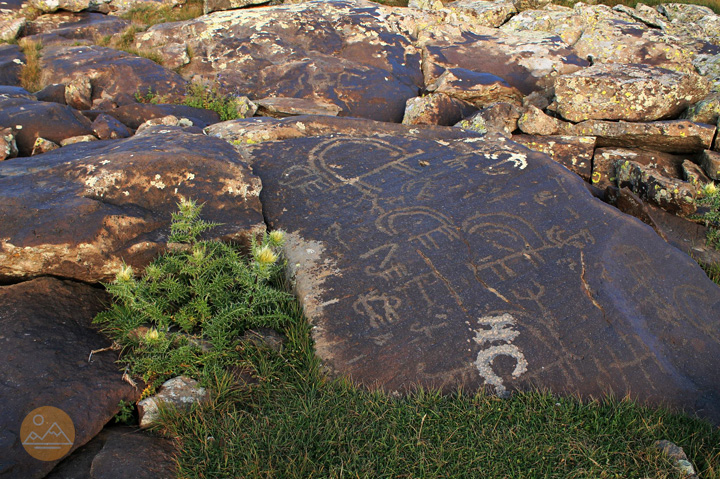
At around 3,300 metres above sea level on the slopes of Mount Ughtasar in the Syunik highlands, a glacial lake is surrounded by thousands of prehistoric rock carvings etched onto dark basalt boulders. The Ughtasar Petroglyphs date from approximately 12,000 to 2,000 BCE — some of the oldest known rock art in the world — and depict hunting scenes, animals, celestial symbols, and human figures in extraordinary detail.
Getting there requires either a serious 4WD expedition or a multi-day trek through the Syunik highlands. But for those who make the effort, the reward is unforgettable: standing at the edge of a mirrorlike lake, surrounded by carvings left by people who looked at the same sky 10,000 years ago.
Best season: July and August ONLY. The site is completely snowbound otherwise.
Getting there: Requires a 4WD vehicle and local guide. Organised tours depart from Sisian or Goris.
Context: Pair this with a visit to the Zorats Karer (Karahunj) prehistoric stone circle near Sisian — sometimes called the 'Armenian Stonehenge.'
![]()
9. Trchkan Waterfall — Armenia's Tallest Hidden Cascade
Lori/Shirak border | Best time: May – July
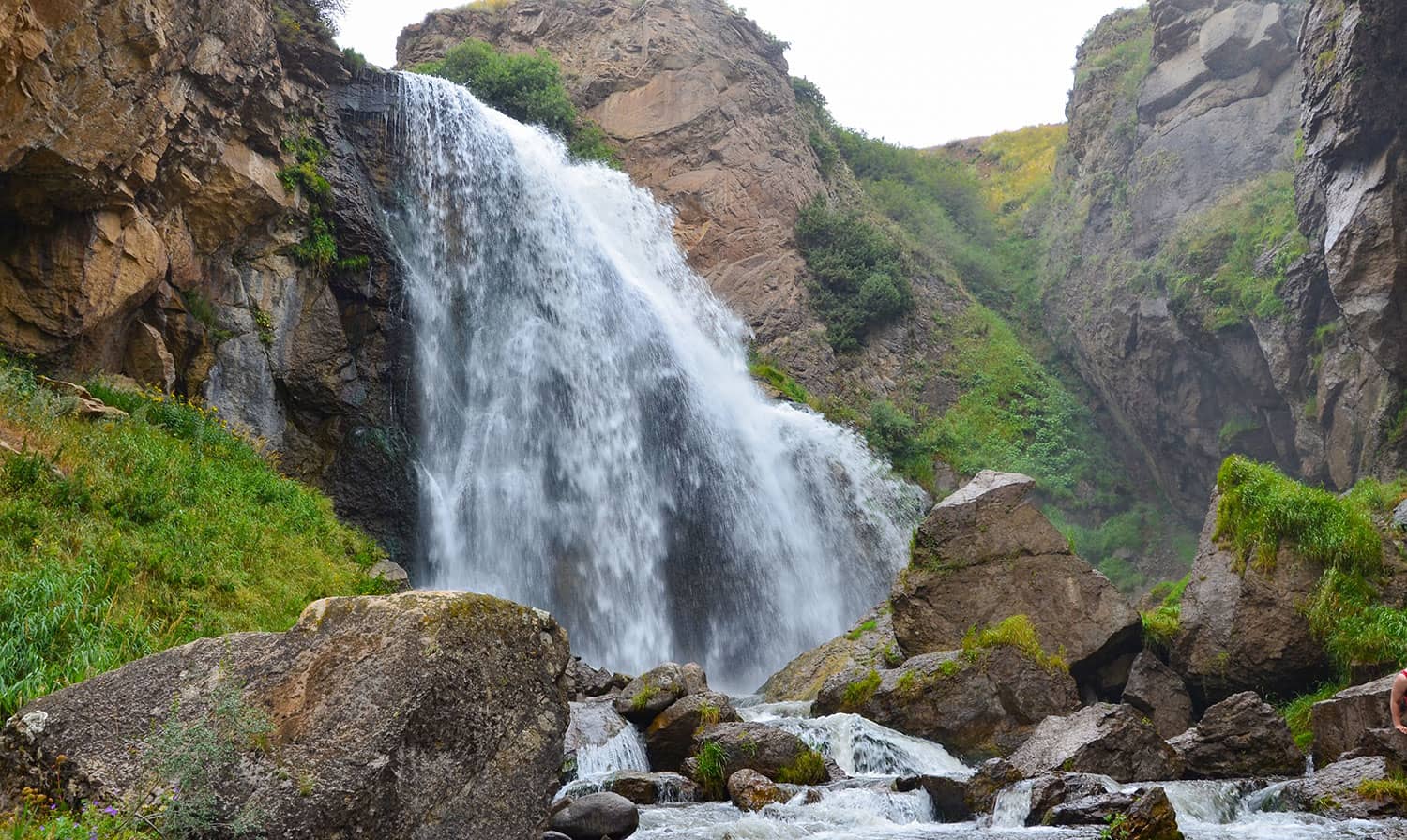
Tucked into a remote canyon on the border between Lori and Shirak provinces, Trchkan Waterfall is the tallest waterfall in Armenia — yet remarkably few tourists ever see it. The falls drop in a powerful white curtain over a mossy cliff face, surrounded by wildflowers in spring and fed by snowmelt through early summer.
Trchkan is mentioned on the Euronews Travel guide to Northern Armenia as one of the region's standout off-the-beaten-path highlights. Combine it with the trails around Gyumri for a full northern adventure.
Best season: May–July for maximum water flow. The trail can be muddy in early spring.
Getting there: Accessible from Gyumri (~120 km from Yerevan). Local guides from Gyumri can arrange the trip.
Camping: Wild camping is permitted in the highlands — bring everything you need.
![]()
10. Matosavank Monastery — A Hidden Ruin in Dilijan's Forest
Tavush Province | Best time: May – October
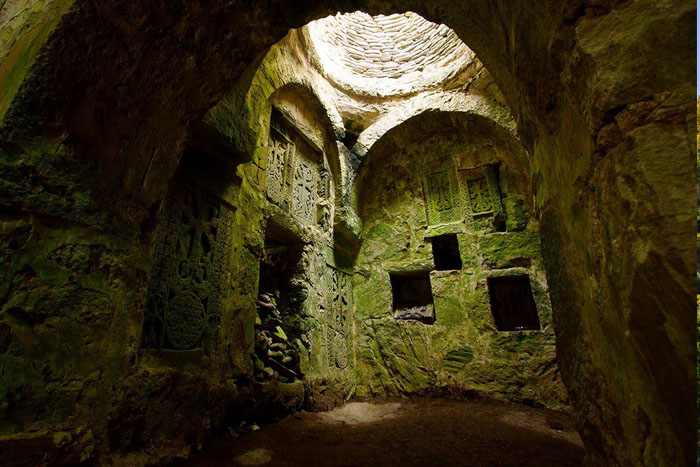
About 3 kilometres northwest of Dilijan town, deep in a forested valley that even most Dilijan residents never visit, lies Matosavank Monastery. Dating to the mediaeval period, the complex includes the ruins of a church, a vestibule, and a library — the walls of which retain fragments of carved ornamental stonework of exceptional quality.
Pair Matosavank with the more famous Haghartsin Monastery (reachable via a forest trail from Dilijan) for a full day of medieval Armenian architecture in a natural setting.
Best season: May–June for spring forest; September–October for autumn foliage.
Navigation: Download an offline map before setting out — mobile signal is poor in the valley.
Crowd factor: You will almost certainly be alone here. Treat the ruins gently.
![]()