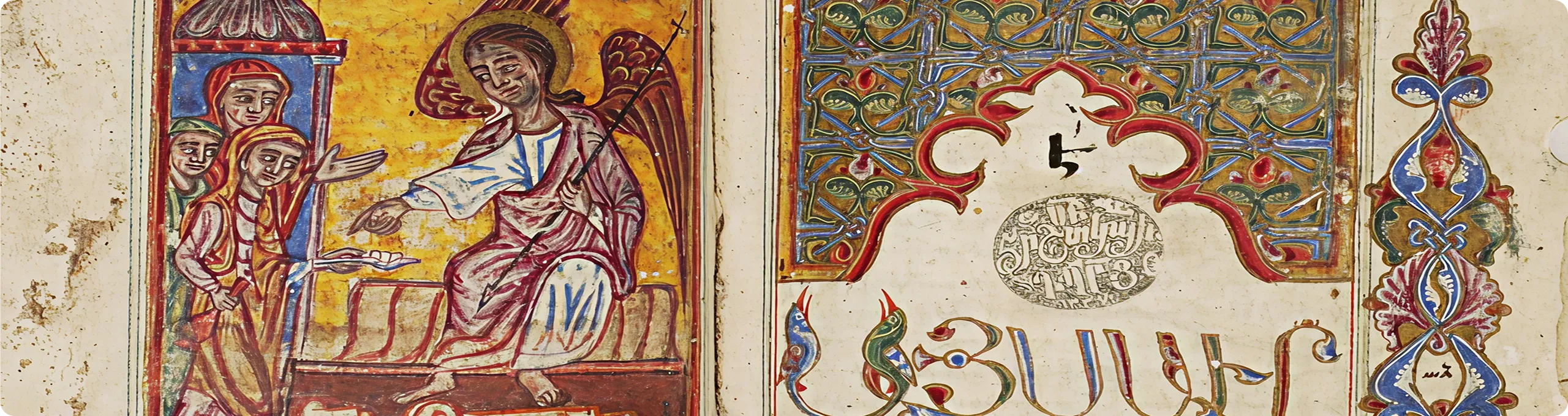
Armenian manuscripts are more than just old books; they are vibrant treasures of world heritage. For centuries, these hand-written and beautifully illustrated volumes were the primary way Armenians preserved their history, faith, and scientific knowledge. Today, they stand as one of the most unique expressions of Armenian medieval art.
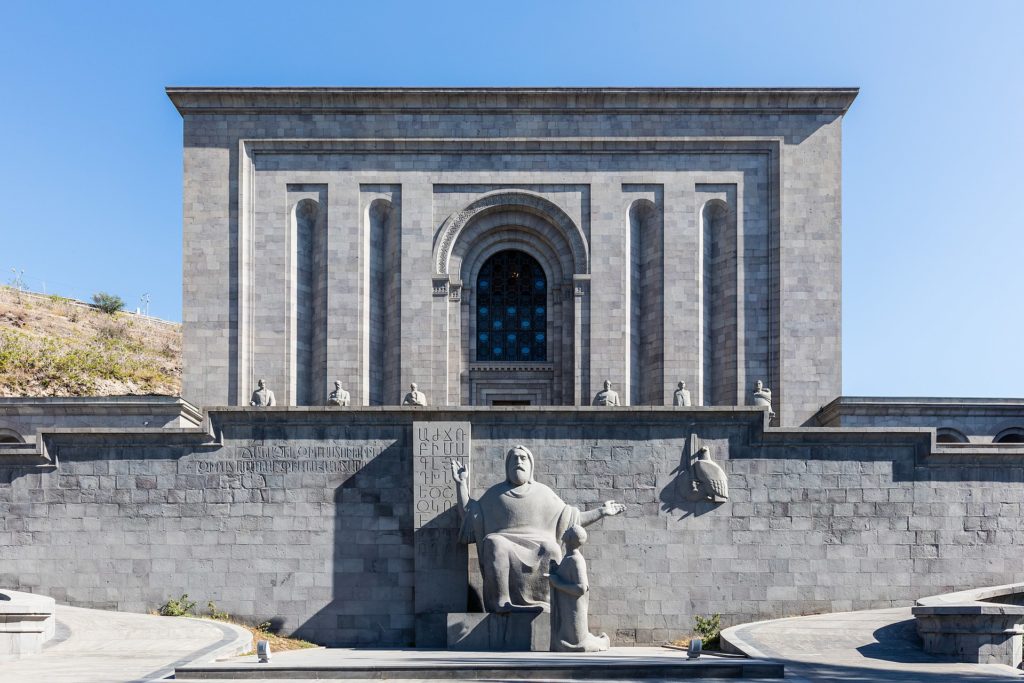
The Matenadaran: A Home for Ancient Books
If you are visiting Yerevan, a trip to the Matenadaran (The Mesrop Mashtots Institute of Ancient Manuscripts) is a must. It is one of the world's largest repositories of medieval manuscripts.
Holding more than 20,000 items, it protects everything from tiny prayer books that fit in the palm of a hand to the massive "Msho Charantir," which weighs nearly 28 kilograms and required the skins of over 600 calves to create.
The Art of Miniature Painting
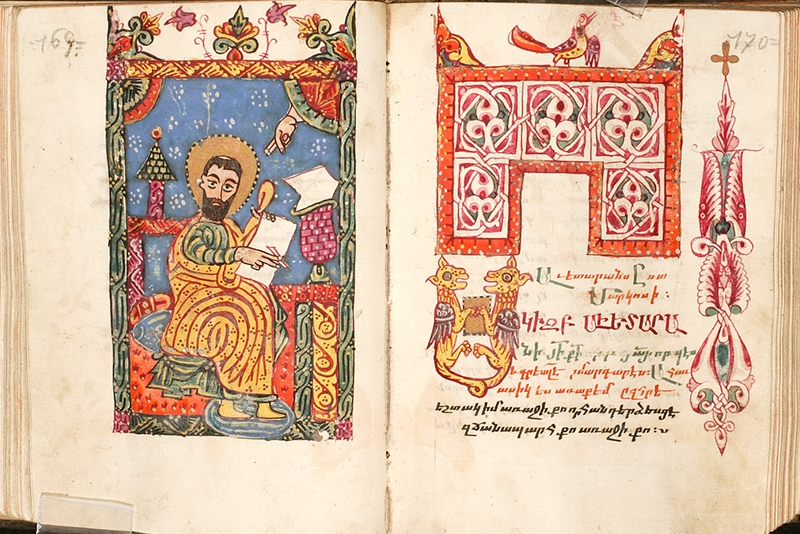
What makes Armenian manuscripts so famous is their "miniatures"—intricate, colorful illustrations that decorate the pages. These weren't just for decoration; they helped tell the stories of the Bible and historical events to those who couldn't read.
- Vibrant Colors: Artists used natural pigments, like the famous "Vordan Karmir" (a red dye made from a local insect).
- Gold Leaf: Many royal manuscripts used real gold leaf, which still shines brilliantly hundreds of years later.
- Symbolism: Look closely and you will see "Pshat" (birds), flowers, and geometric patterns that carry deep spiritual meanings.
The Matenadaran’s collection is inscribed on the UNESCO Memory of the World Register.
How Armenian Manuscripts Were Made
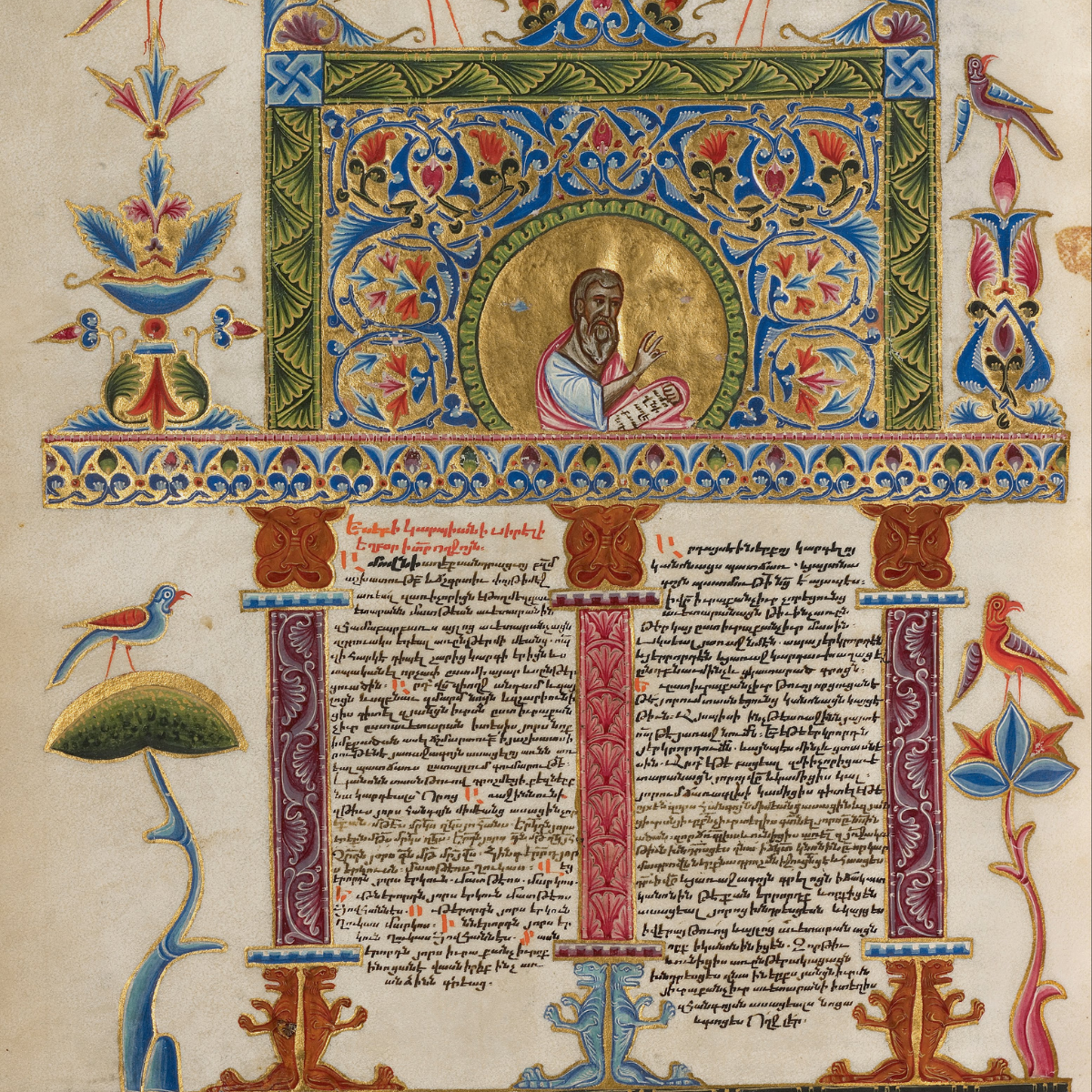
In the Middle Ages, manuscripts were created in "Scriptoriums"—special workshops usually located within monasteries. The process was a labor of love involving several specialists:
- The Scribe: Wrote the text in beautiful Grabar (Old Armenian) calligraphy.
- The Illuminator: Painted the colorful miniatures and margins.
- The Binder: Bound the pages in leather or, for very special books, ornate silver covers decorated with precious jewels.
Throughout history, during wars and migrations, Armenians prioritized saving their books over their personal belongings. There are many legends of Armenian women carrying heavy manuscripts on their backs for miles to protect them from destruction. This deep respect for the written word is why so many of these fragile treasures have survived to this day.
Quick Facts for Travelers
- Oldest Manuscript: The oldest fully preserved Armenian manuscript is the "Mlk'e Gospel," dating back to 862 AD.
- Where to see them: While the Matenadaran in Yerevan is the main hub, you can also find significant collections in the Armenian Quarter of Jerusalem and San Lazzaro degli Armeni in Venice.
