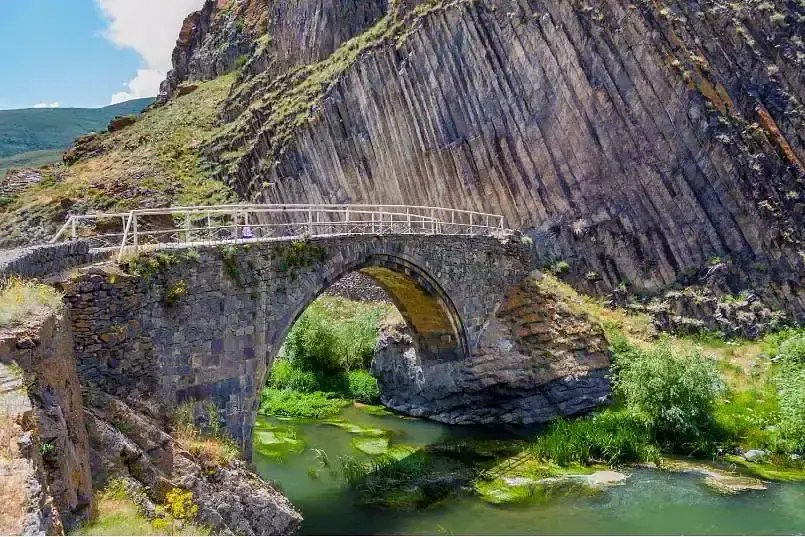
For years, Georgia stole the Caucasus spotlight. Now Armenia is rewriting the script — with visa-free entry, UNESCO-listed monasteries, 6,000-year-old wine, and a capital city that rivals any in Eastern Europe.
Armenia welcomed over 2.26 million visitors in 2025, and the government's bold Strategic Tourism Development Program 2026–2030 is targeting 3 million arrivals this year. Forbes named Armenia a top destination for 2026. Wanderlust Magazine included it in its "Good to Go 2026" list alongside Japan, Australia and Spain. The world is paying attention — and here's exactly why you should too.
1.Visa-Free Entry for 113 Countries — Just Book and Go
As of 1 January 2026, Armenia suspended visa requirements for nationals of 113 countries, including all EU member states, the United States, the United Arab Emirates, the UK, and holders of valid Schengen residence permits. You can stay for up to 180 days within a one-year period — no paperwork, no embassy queues, no e-visa fees.
This single policy shift transforms Armenia from a "slightly complicated" destination into one of the most accessible countries in the entire region. Georgia has long benefited from a similar open-door policy; Armenia has now matched it — and in some ways exceeded it.
How to get to Armenia in 2026: New flight routes and airlines
- From June 13, 2026: Wizz Air launches direct London Luton → Yerevan — the first ever direct UK–Armenia flight
- Multiple direct flights from Paris, Frankfurt, Vienna, Dubai, Moscow, and Tehran
- Zvartnots International Airport has expanded capacity significantly
- Check our getting-to-Armenia guide for full airline routes and booking tips
![]()
2.Ancient Civilisation, Living Heritage — Not Just a Museum
Armenia is, objectively, one of the oldest living civilisations on Earth. Yerevan — your base for most visits — is one of the world's oldest continuously inhabited cities, founded in 782 BC. But what makes Armenia extraordinary is that its history isn't behind glass: it's built into the mountainside, carved into living rock, and poured into a glass of amber wine.
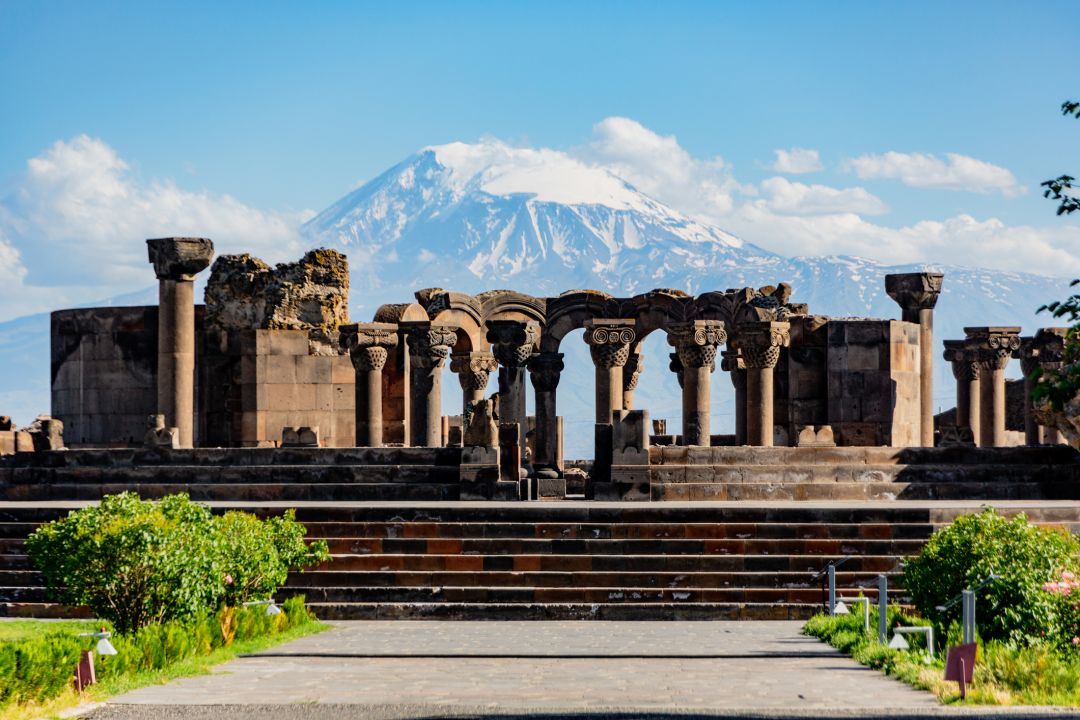
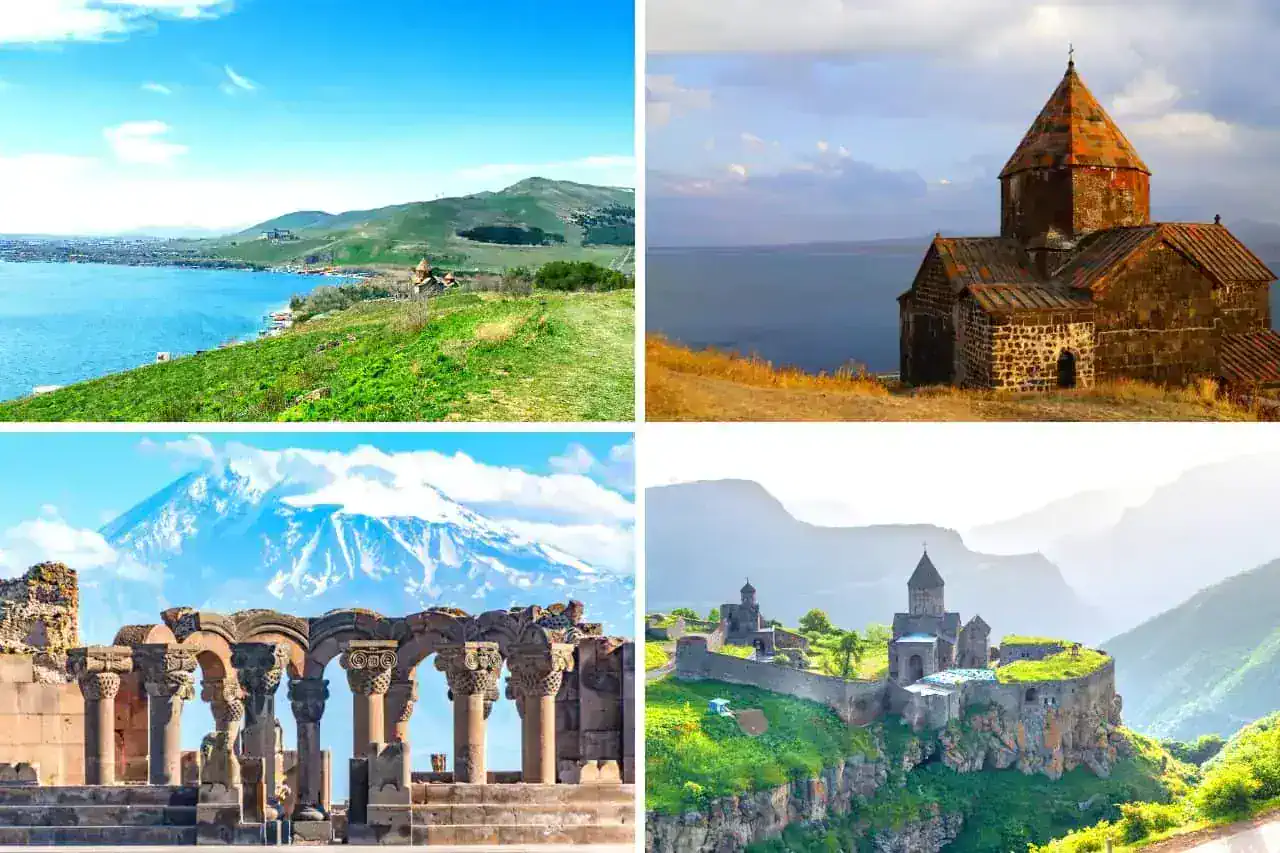
The country's UNESCO-listed monasteries are the crown jewels. Geghard Monastery, partially carved from the sheer cliff of the Upper Azat Valley, is one of the most dramatic religious sites in the entire world. Haghpat and Sanahin monasteries in the Lori region are twin medieval masterpieces rising from a forest gorge. Etchmiadzin Cathedral — the spiritual heart of the Armenian Apostolic Church and possibly the world's oldest cathedral — sits quietly in a provincial town 20 minutes from Yerevan.
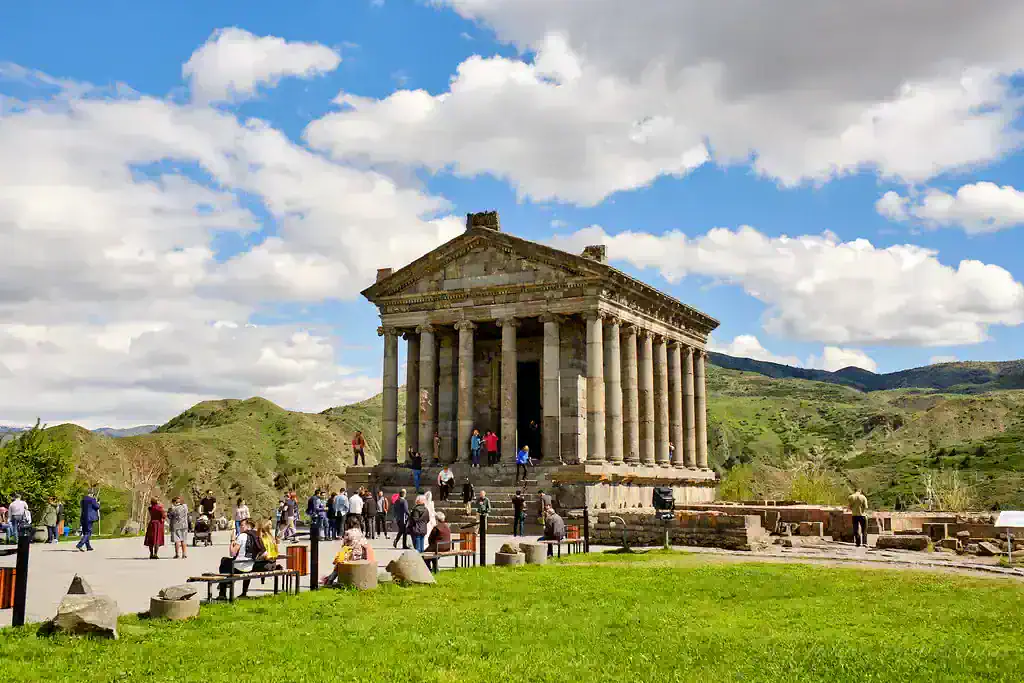
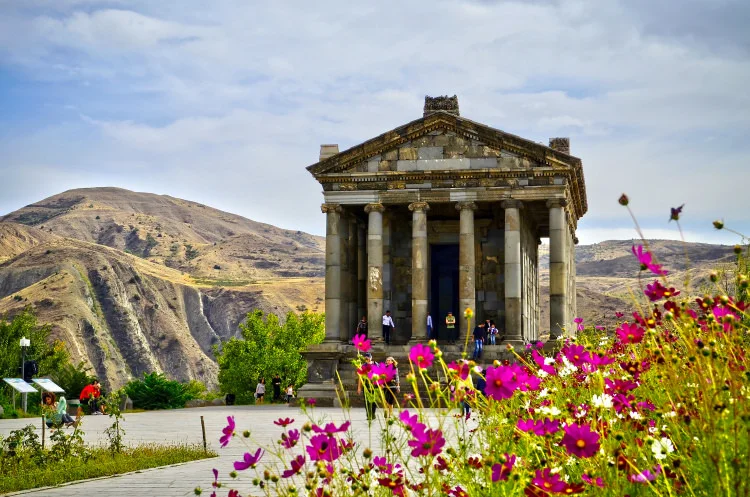
Then there is the Matenadaran in Yerevan — a manuscript library housing thousands of ancient Armenian and Greek texts — and the pagan Temple of Garni, the only surviving Hellenic colonnaded temple in the former Soviet Union.
![]()
3.Ranked #8 in the World for Safety — Relax Like You Mean It
One of the most startling facts about Armenia that surprises first-time visitors: it ranks 8th globally for safety according to recent international surveys cited by Armenia's Ministry of Internal Affairs. This puts the country ahead of most Western European nations.
What does that mean in practice? You can walk Yerevan's streets at 2am without concern. You can leave your bag on a café chair. Tourists consistently report feeling a "sense of belonging" rather than being a target. This is a culture of hospitality that is deeply embedded — Armenian հյուրասիրություն (hyurasirut'yun, the art of hosting) is not a tourist industry construct; it is a way of life.
For family travellers, solo female travellers, and anyone who has grown exhausted by the anxiety that comes with "hot" mass-tourism destinations, Armenia is a revelation. The contrast with, say, Barcelona or Rome — both beloved but plagued by pickpocketing and tourist fatigue — is striking.
Safety Quick Facts
- Ranked 8th globally for traveller safety (2025–2026 international surveys)
- Low violent crime rates; Yerevan is consistently described as a walkable, safe capital
- Major festivals and events have an exceptional safety record
- Armenia's safety credentials are actively promoted as a core tourism asset
- Read our complete Armenia safety guide for practical tips
4.The World's Oldest Wine Country — And It Shows
Georgia may have claimed the title of "birthplace of wine" in popular culture. But the archaeological evidence from Armenia tells a different story: the Areni-1 cave in Vayots Dzor yielded the world's oldest known winery, dating back over 6,100 years — predating Georgian wine evidence by centuries. This isn't a marketing claim; it's peer-reviewed archaeology published in the Journal of Archaeological Science.
Today, Armenia's wine scene is undergoing a full renaissance. The Areni wine region produces remarkable single-varietal reds from the indigenous Areni Noir grape — bold, earthy, and like nothing you'll find in France or Italy. Vayots Dzor and the Ararat Valley are dotted with boutique wineries offering tastings, cellar tours, and harvest experiences.
Wine tourism has grown dramatically in recent years, building on a tradition that is, quite literally, prehistoric. And then there is Armenian brandy — konyak — produced in the Ararat valley with a prestige that stretches back to Winston Churchill, who reportedly declared Armenian brandy his favourite. The Ararat Brandy Factory in Yerevan offers one of the city's most distinctive tours.
![]()
5.Landscapes That Take Your Breath Away — Literally
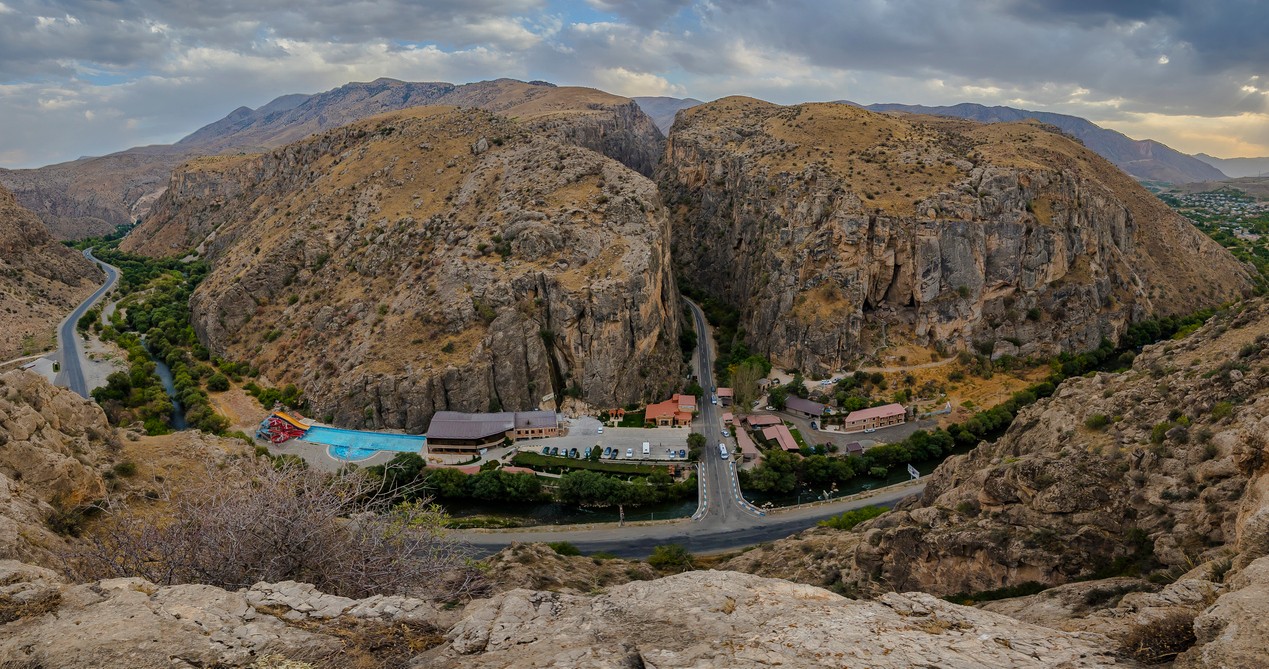
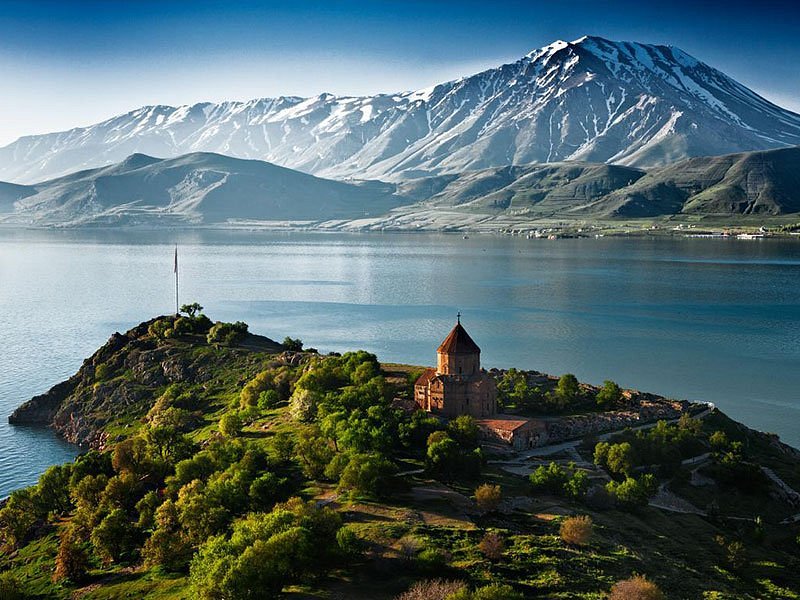
Armenia is a small country — about the size of Belgium — packed into some of the most dramatic terrain in Europe or Asia. The Lesser Caucasus Mountains form the backbone of the country, with peaks exceeding 4,000 metres, deep river gorges, ancient forest, and high alpine meadows.
Lake Sevan — one of the world's largest high-altitude freshwater lakes — sits at 1,900 metres above sea level, turquoise and vast, with the medieval Sevanavank Monastery perched on a promontory above it. Dilijan, the "Armenian Switzerland," is a forested spa town with hiking trails threading between monasteries. Tatev Monastery in Syunik is accessed via the world's longest reversible cable car, the Wings of Tatev — 5.7 kilometres of breathtaking mountain transit.
In winter, Tsaghkadzor ski resort — just 50 km from Yerevan — offers over 30 km of trails at a fraction of the cost of Alpine equivalents. It is uncrowded, charming, and largely undiscovered by international ski tourism.
![]()
6.Yerevan: A European Capital You've Never Considered
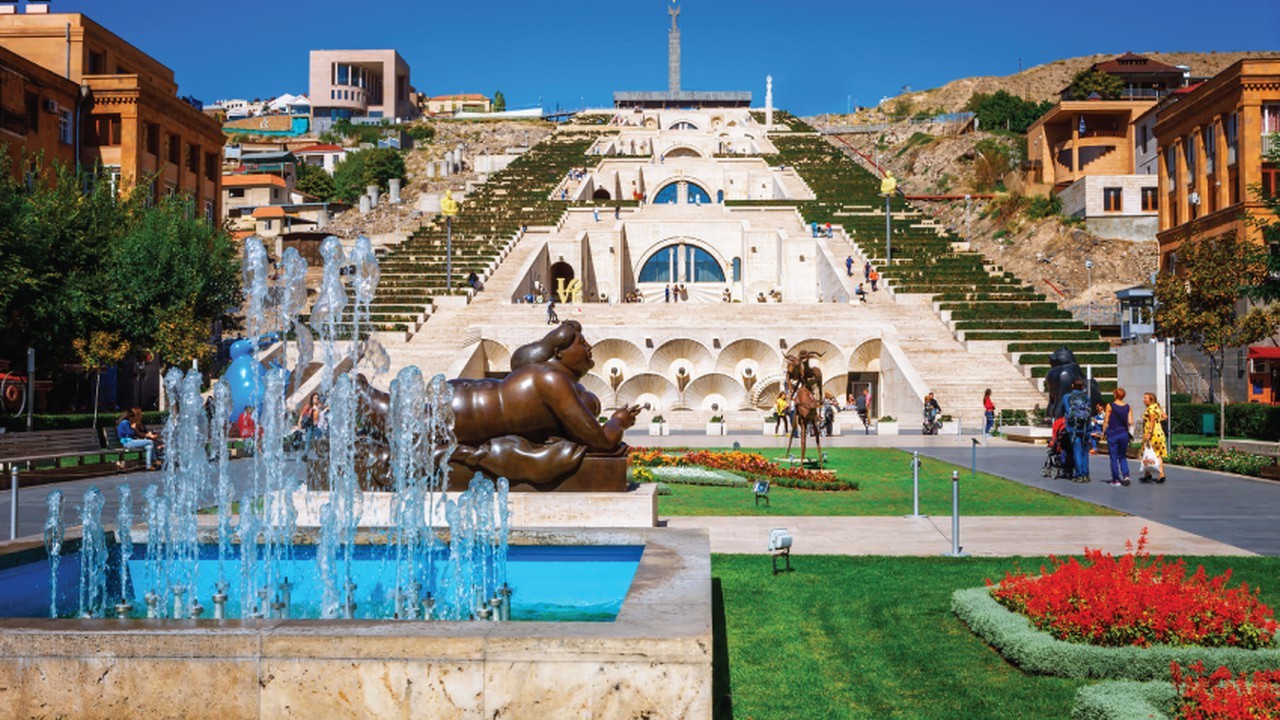
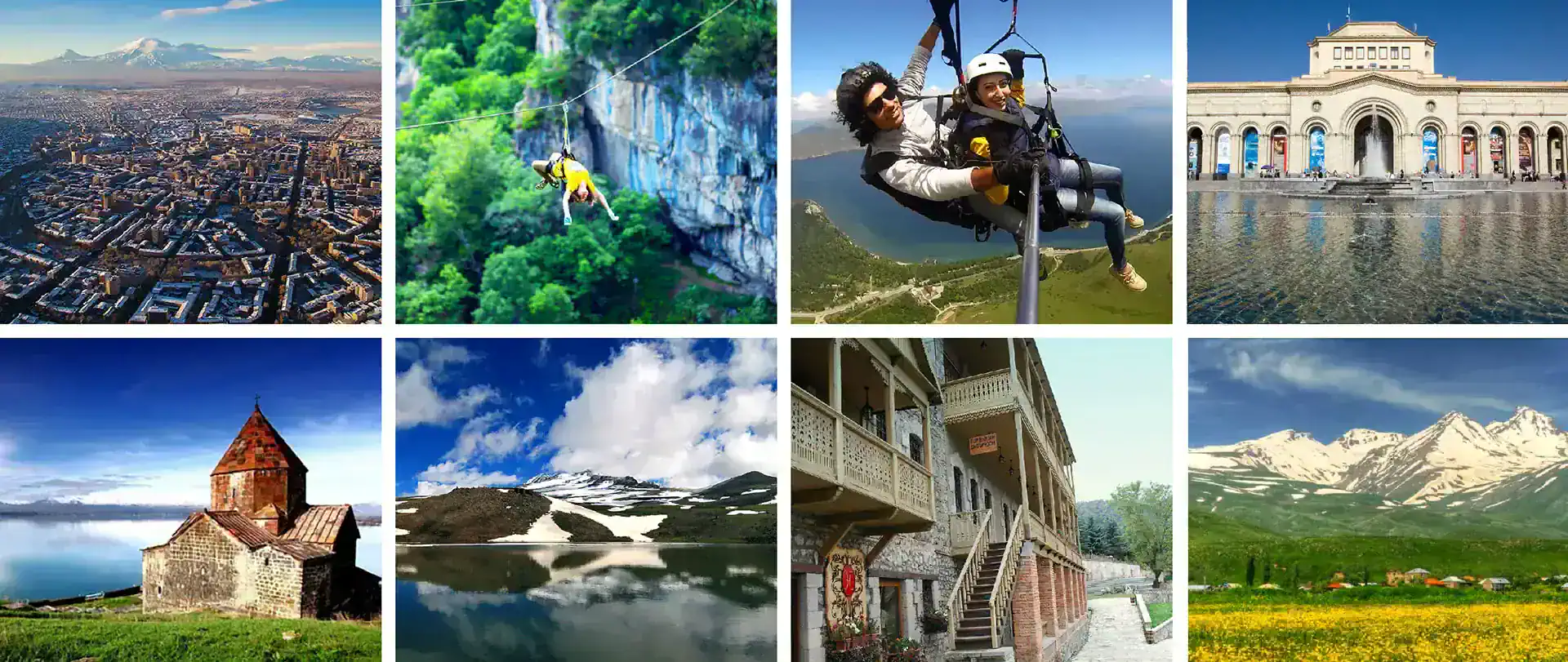
Yerevan is one of the great underrated capital cities of the world. Built predominantly from volcanic pink tuff stone, it glows in the afternoon light — which is exactly why it's called the "Pink City." Republic Square, with its singing fountains and neoclassical arcades, is genuinely one of the most beautiful public spaces in the former Soviet sphere. The Cascade — a monumental stairway lined with contemporary sculpture — connects the city centre to uptown neighbourhoods in a way that doubles as an open-air gallery.
But Yerevan also has texture. The Vernissage flea market on weekends is a riot of Armenian folk art, Soviet nostalgia, and genuine craft. The café culture along North Avenue and Abovyan Street rivals anything in Tbilisi — strong coffee, natural wine, live jazz, and a young, creative population that is decidedly outward-looking. The culinary scene has exploded in recent years: from traditional khorovats (Armenian barbecue) to sophisticated farm-to-table restaurants and creative cocktail bars.
Yerevan Highlights — Don't Miss
- Republic Square — Dancing Fountains (summer evenings)
- Matenadaran — Ancient manuscript library
- The Cascade — Contemporary art and city views
- Vernissage Market — Sundays, the city's best souvenir hunting
- Cafesjian Centre for the Arts — Armenia's premier contemporary art venue
- Ararat Brandy Factory Tour — Armenia's liquid gold
![]()
7.Exceptional Value for Money — Luxury Experience, Accessible Price
Armenia sits in a sweet spot that is increasingly rare in travel: genuinely world-class cultural and natural experiences at a price point that makes them accessible. A private full-day tour including driver, guide, entry fees, and a sit-down lunch will cost you a fraction of what the equivalent would in Italy or Greece. A night at a boutique hotel in Yerevan's best neighbourhoods runs between $60–$120. A three-course dinner with local wine at a quality restaurant? Rarely over $25 per person.
For travellers coming from Western Europe, North America, or the Gulf, Armenia represents one of the finest value propositions in the world right now — particularly because the experience is not "budget travel" in the rough-it sense. Infrastructure has improved dramatically. New hotels, renovated guesthouses, and professional tour operations mean that the gap between price and quality is genuinely extraordinary.
This is precisely what Georgia offered travellers 8–10 years ago — before Tbilisi became a global Instagram destination and prices crept upward. Armenia is at that inflection point today, which is exactly why 2026 is the right year to go.
Frequently Asked Questions — Visiting Armenia in 2026
Is Armenia visa-free for British, American, and EU citizens in 2026?
Yes. As of 1 January 2026, Armenia offers visa-free entry to nationals of 113 countries, including all EU member states, the UK, the USA, Canada, and the UAE. Stays of up to 180 days per year are permitted. The policy is in place until at least 1 July 2026. See our full Armenia visa guide.
What is the best time to visit Armenia?
Armenia rewards visits in every season.
Spring (April–June) brings lush green valleys and ideal hiking weather
Summer (July–August) is perfect for Lake Sevan and mountain escapes
Autumn (September–October) is the wine harvest season — the most atmospheric time to visit the Areni region.
Winter (December–March) offers skiing at Tsaghkadzor and a cosy, uncrowded Yerevan. Read our Best Time to Visit Armenia guide for month-by-month breakdown.
How does Armenia compare to Georgia as a travel destination?
Armenia and Georgia are both exceptional but offer different experiences. Armenia is less crowded, marginally more affordable, and has an extraordinary concentration of UNESCO-listed monasteries and a unique pagan-meets-Christian historical layer. Georgia has more established tourist infrastructure and a more well-known wine tradition (kvevri). For 2026, Armenia represents the better "early mover" opportunity before mass tourism arrives.
Is Armenia safe for solo travellers and women travelling alone?
Armenia ranks 8th globally for safety according to international surveys. Solo travel — including for women — is widely reported as comfortable and stress-free. Yerevan is walkable and lively at night. Rural areas are quiet but safe. The Armenian tradition of hospitality means visitors are often looked after generously. Read our safety guide for full details.
What are the top must-see sites in Armenia?
Top sites include:
- Geghard Monastery (UNESCO)
- Temple of Garni
- Lake Sevan
- Tatev Monastery (Wings of Tatev cable car)
- Haghpat and Sanahin monasteries (UNESCO)
- Etchmiadzin Cathedral
- Areni wine region
- Yerevan's Republic Square
- Cascade
- Matenadaran
Browse all destinations on Armenia Discovery.