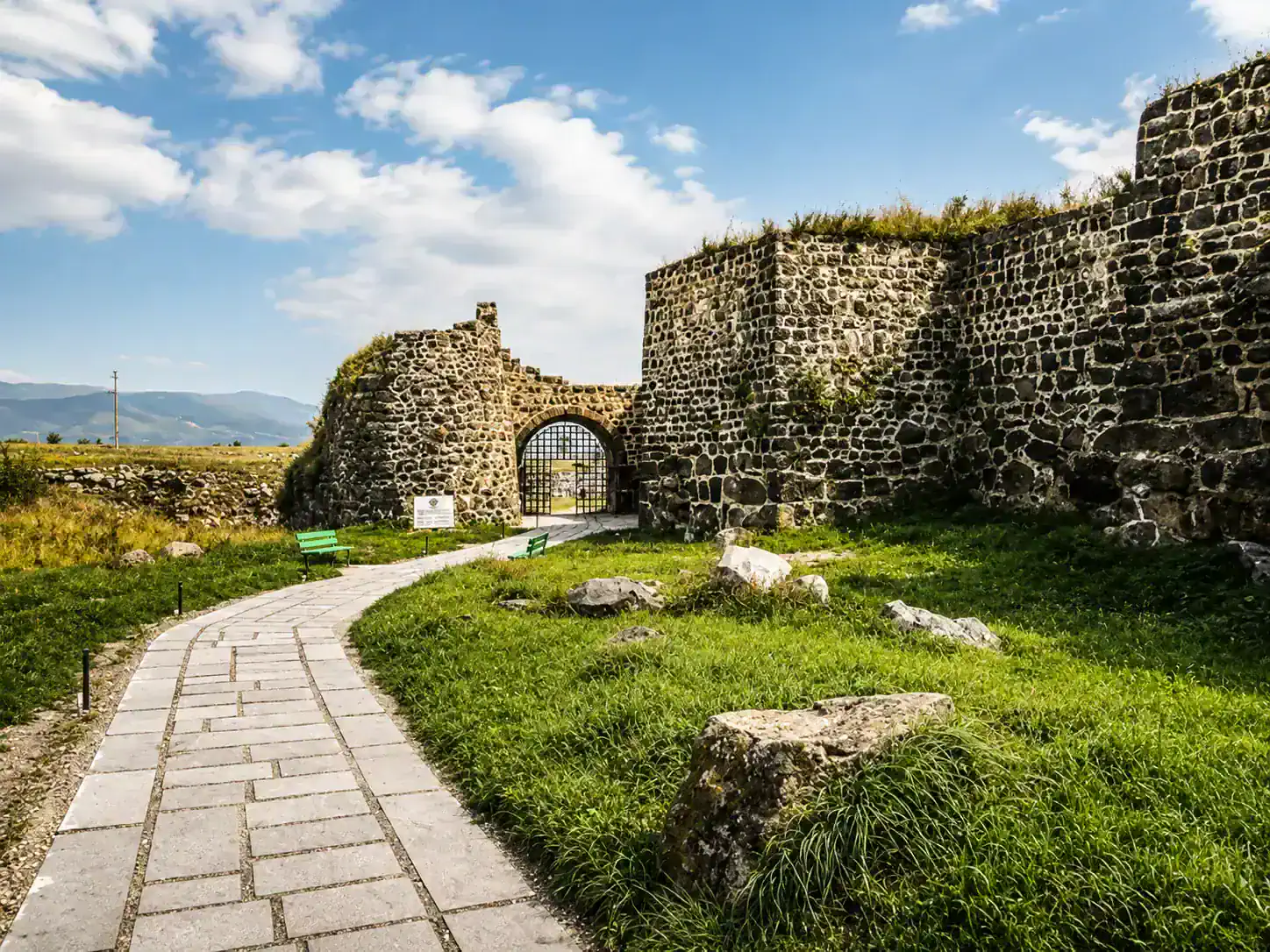
Lori Fortress is located in the Lori region, on a plateau rising between the gorges of the Dzoraget and Miskhana rivers. It stands 1,490 meters above sea level. The deep gorges made the fortress difficult to approach, while the more accessible northwestern section was protected by a powerful wall.
The fortress city was founded by the Kyurikian king David Anhoghin between 1005 and 1020. The city's total area was about 35 hectares, while the citadel occupied 8.5 hectares. The northwestern wall was 214 meters long. Round and rectangular towers were built along its length, and the only way into the fortress opened from the northwestern corner of the wall.
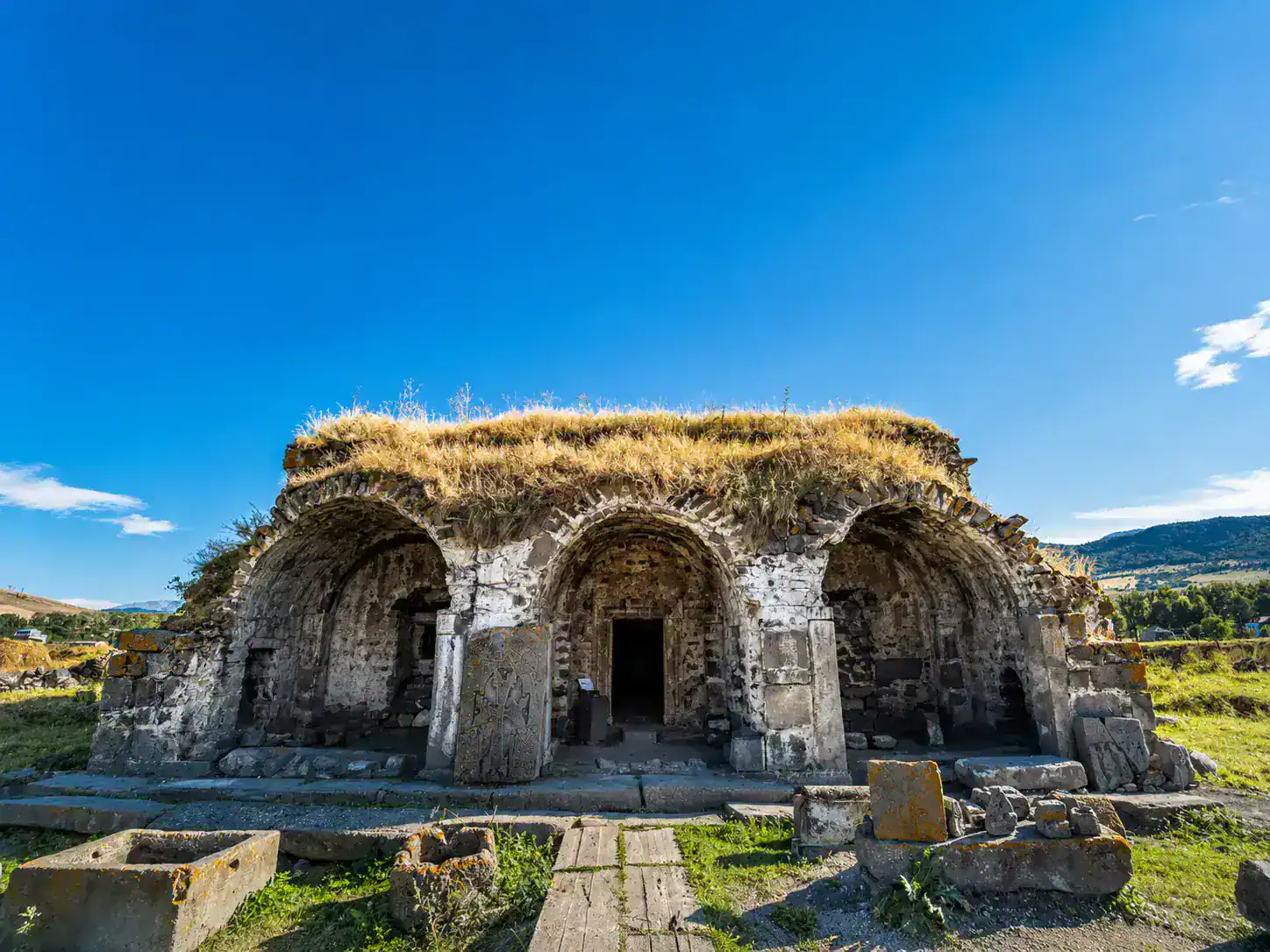
Lori was not merely a defensive structure. During the rule of the Kyurikians, and later the Zakaryans, palaces, churches, bathhouses, bridges, and khachkars were built here. An underground passage leading from the citadel down to the Miskhana River ended in a tower-like structure. During a siege, this passage made it possible to bring in water and maintain contact with people outside the fortress walls.
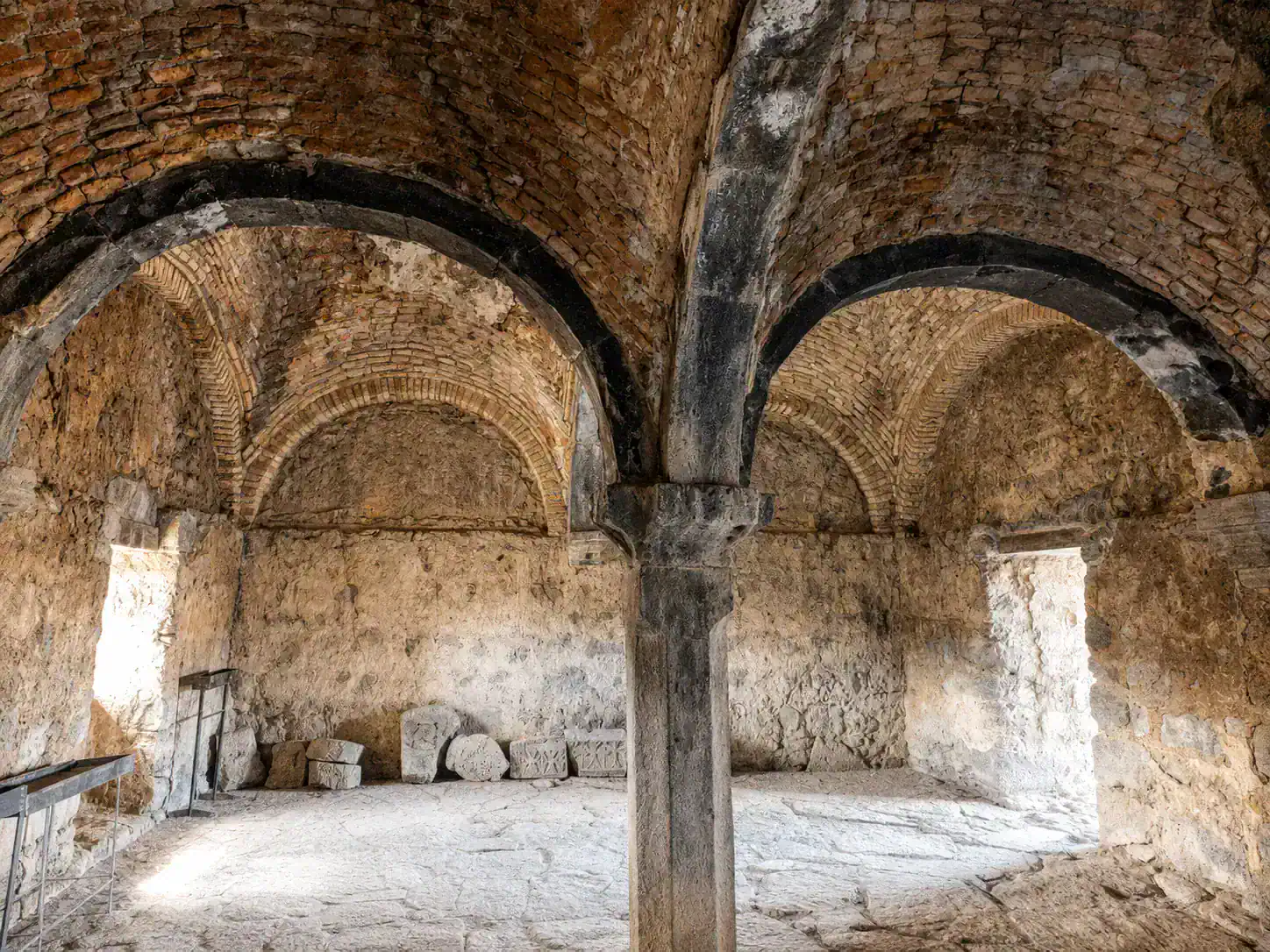
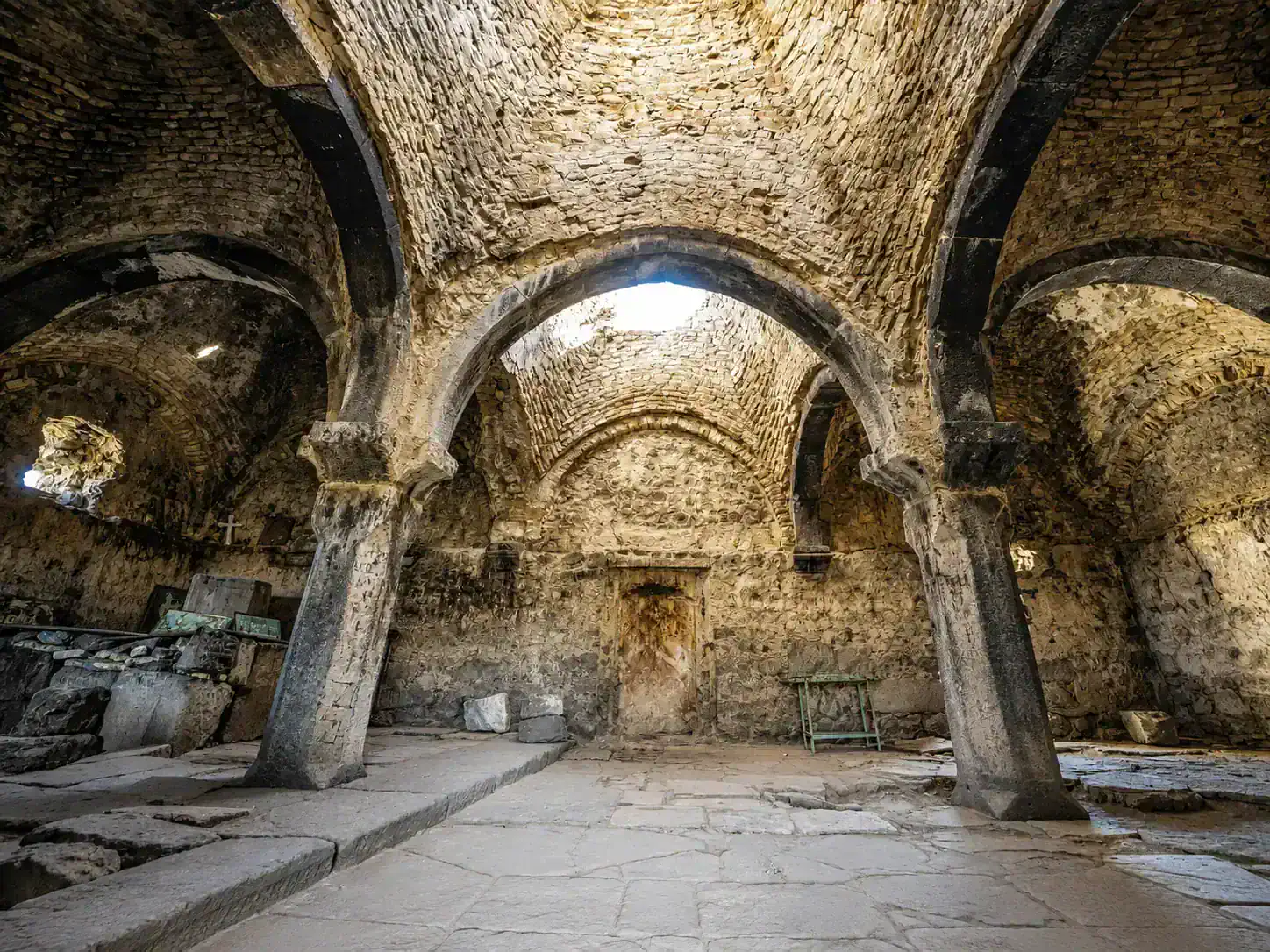
Excavations have shown that Lori also had a developed urban life. Two bathhouses were uncovered in the citadel. Beneath their floors was a heating system known as a hypocaust. Hot air from the furnace passed between small stone pillars, warming the halls. Water was supplied to the pools through clay pipes.
Next to the fortress lies a burial field covering about 100 hectares. Around 117 burials have been uncovered in the area. Community leaders, soldiers, clergy, and other residents were buried here. Weapons, jewelry, pottery, and bronze objects depicting animals were found in the graves.
During the 2022 excavations, a 60-meter section of the inner side of the wall, two bathhouses, the church, and a chapel-tomb were studied. Among the finds were decorated voussoirs, bowls decorated with images of birds and plants, coins, clay spouts, gaming stones, arrowheads, fragments of glass vessels, a small clay elephant figurine, and a metal icon.