Categories
Region
Northern Avenue stroll & street music Cultural

Northern Avenue stroll & street music

Yerevan

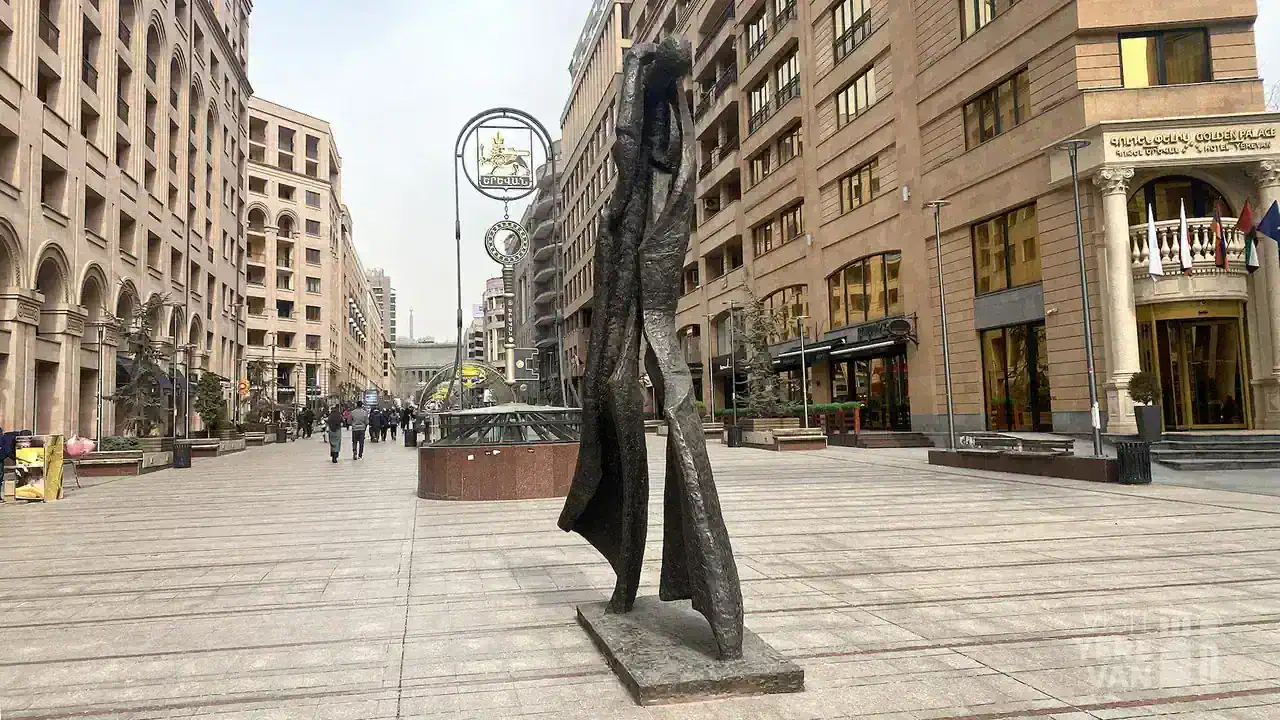
Northern Avenue is a modern pedestrian street in central Yerevan, connecting Republic Square and Freedom Square (by the Opera House) diagonally through the city center. The avenue was originally envisioned in architect Alexander Tamanyan's 1924 master plan for Yerevan but was never built during the Soviet era; construction finally began in 2001 and the street opened in 2007. It runs about 450 meters long and 27 meters wide, lined with high-end boutiques, well-known brand shops, an underground shopping mall, and numerous cafés and restaurants with outdoor seating. What you can do there: stroll the avenue between the two main squares, shop at boutiques and brand-name stores, sit at open-air cafés and restaurants, and enjoy street musicians and occasional dancing, which are common in the evenings, especially on warm nights.
Vernissage Market Cultural

Vernissage Market

Yerevan

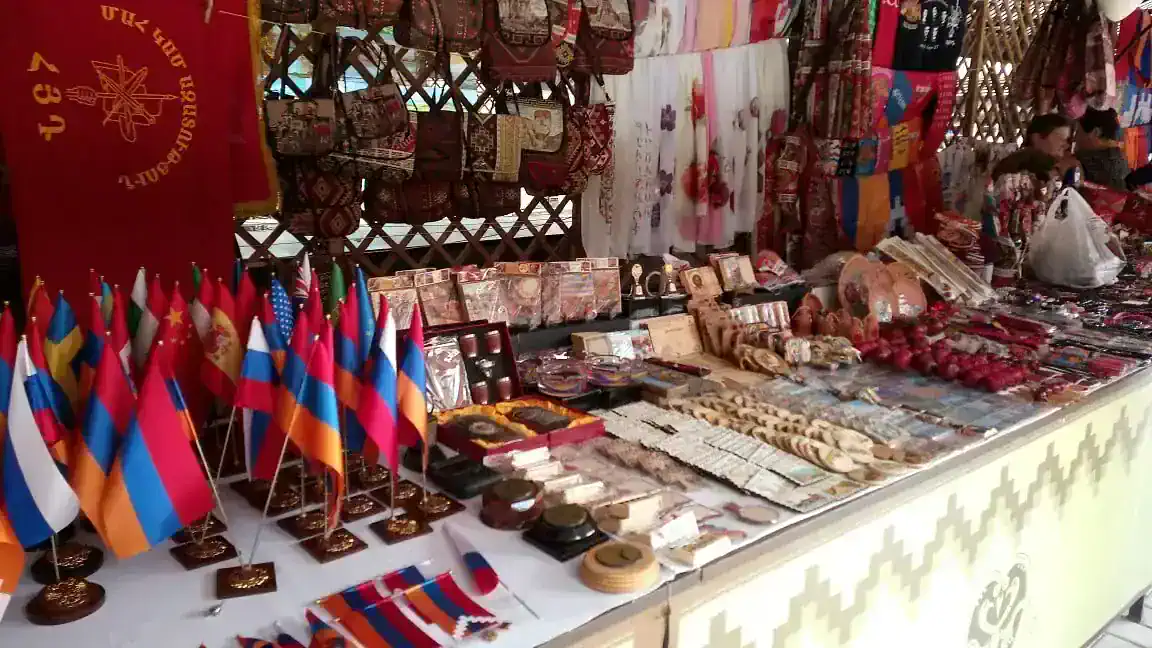
Vernissage is an open-air market-exhibition in central Yerevan, running along Hanrapetutyan Street from near the Republic Square metro station toward the Vardan Mamikonyan monument. It began in the 1980s as a spot where artists exhibited work near the Yerevan Opera House, and gradually grew as woodcarvers, jewelers, and sellers of antiques, carpets, and ceramics joined in; after the 1988 earthquake, it became an important source of income and a symbol of resilience for local craftspeople. Its name comes from the French "vernissage" (the preview of an art exhibition). It's busiest on weekends, when the largest number of artisans set up, but is open daily. What you can do there: browse and buy handmade Armenian crafts — ceramics, wood carving, small khachkars, lace and needlework, traditional dolls, paintings, jewelry (including Armenian-alphabet pendants and mythological symbols like the tree of life and pomegranate), carpets, backgammon/chess sets, folk clothing, books, and antiques (including old Soviet-era telephones, radios, and household items)

Republic Square singing fountains show Cultural

Republic Square singing fountains show

Yerevan

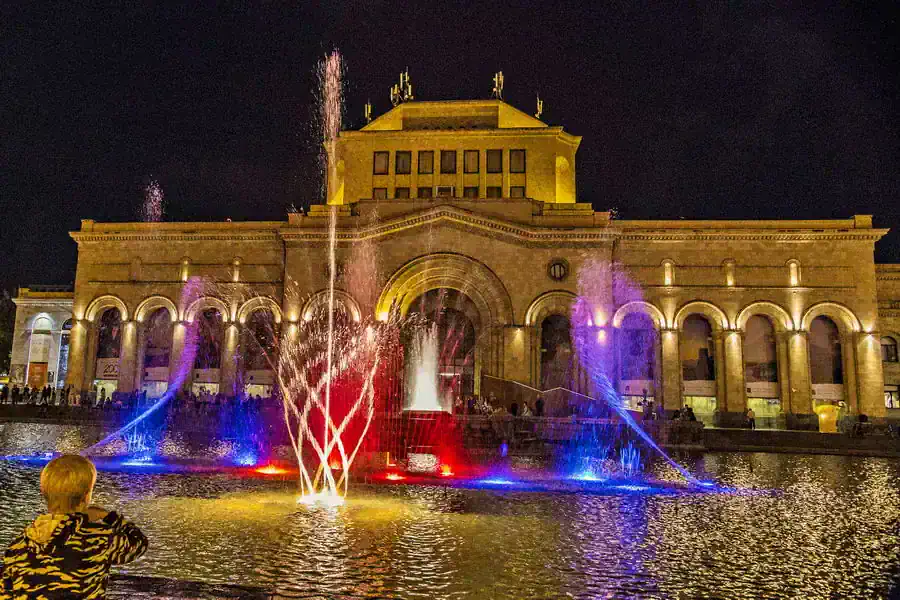
The singing and dancing fountains on Republic Square were the first of their kind in the Soviet Union, first appearing in Yerevan in the late 1960s, designed by engineer Abram Abrahamyan. After falling silent for years following the USSR's collapse and the Nagorno-Karabakh war, they were renovated and reopened on September 21, 2006, for Armenia's 16th independence anniversary. Every evening during the season, jets of water in the square's central basin move to a choreographed program of music and colored light, with a repertoire spanning classical music, 1960s–70s rock, and modern pop; the show traditionally closes with Charles Aznavour's "Eternal Love." What you can do there: watch the choreographed water, light, and music show from around the central basin in Republic Square, alongside locals and tourists; the fountains also run as regular (non-choreographed) fountains during the day.

Mother Armenia & Military Museum (Victory Park) Cultural

Mother Armenia & Military Museum (Victory Park)

Yerevan

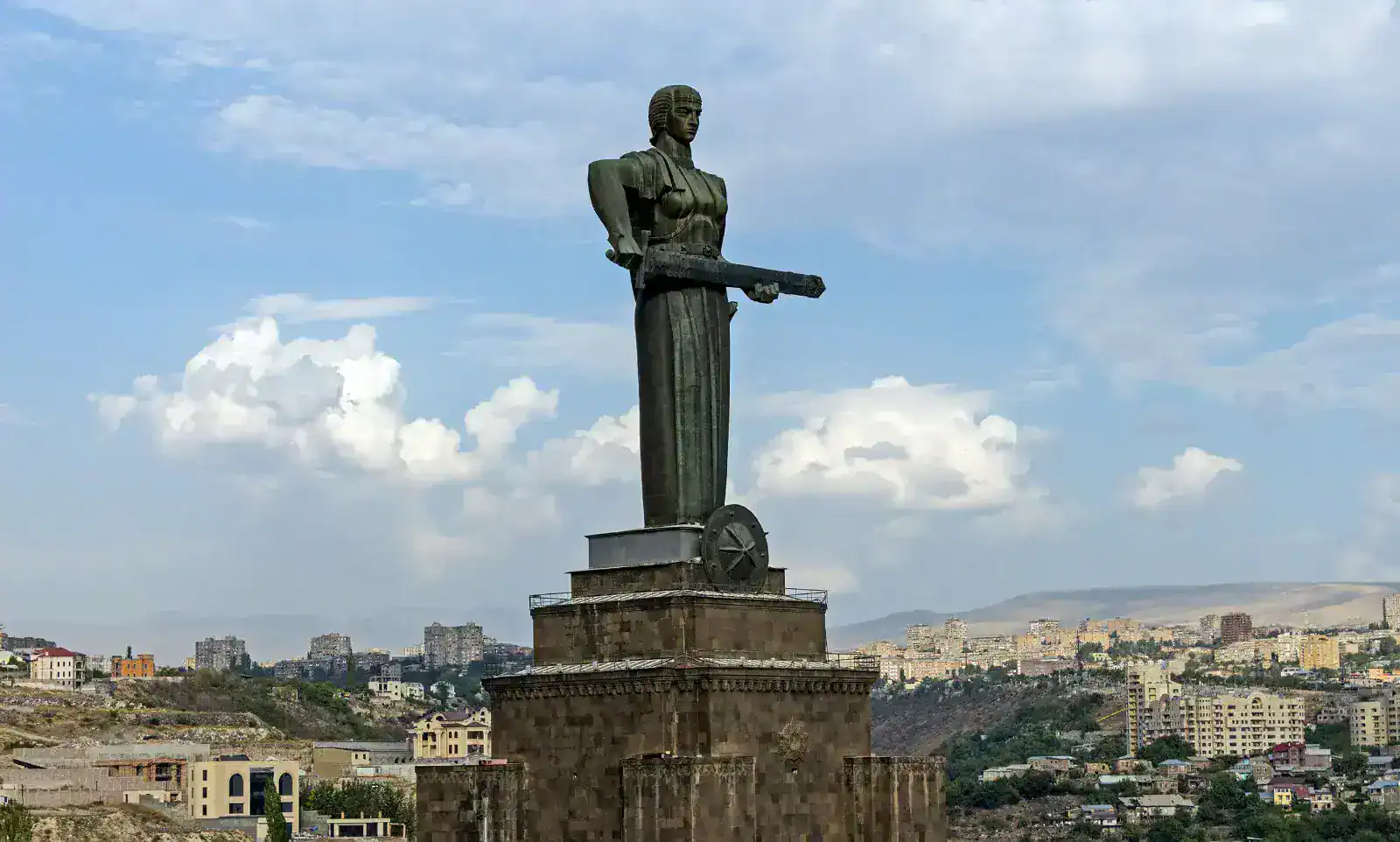
The Mother Armenia Memorial stands atop Victory (Haghtanak) Park on a hill overlooking Yerevan. The pedestal was built in 1950 by architect Rafael Israelyan to commemorate the USSR's WWII victory and originally held a 17-meter copper statue of Stalin; that statue was removed in 1961, and in 1967 sculptor Ara Harutyunyan's 22-meter copper "Mother Armenia" statue was installed on the same base. The whole memorial complex, designed like a three-nave Armenian basilica and built of black tuff, stands 51 meters tall (22 m of statue, an 11-meter sword) and is modeled internally after the 7th-century St. Hripsime Church. Inside the pedestal is the "Mother Armenia" Museum of Military History, opened in 1970 (originally as the "Armenia in the Great Patriotic War" museum, renamed in 1995), with over 30,000 exhibits split between Armenia's role in WWII (including Marshal Hovhannes Baghramyan's personal belongings) and the Artsakh Liberation War. Around the monument are displayed Soviet-era military hardware — a T-34 tank, an armored personnel carrier, a MiG-19 aircraft, a Katyusha BM-13 rocket launcher, anti-aircraft guns, and an S-75 missile system — along with the Tomb of the Unknown Soldier and the "Heroes' Alley." What you can do there: view the Mother Armenia statue and climb to the open balconies for panoramic city views, walk through Victory Park, see the WWII/Artsakh War exhibits inside the museum, and examine the outdoor military vehicle and weapons display.

Yerevan History Museum Cultural

Yerevan History Museum

Yerevan

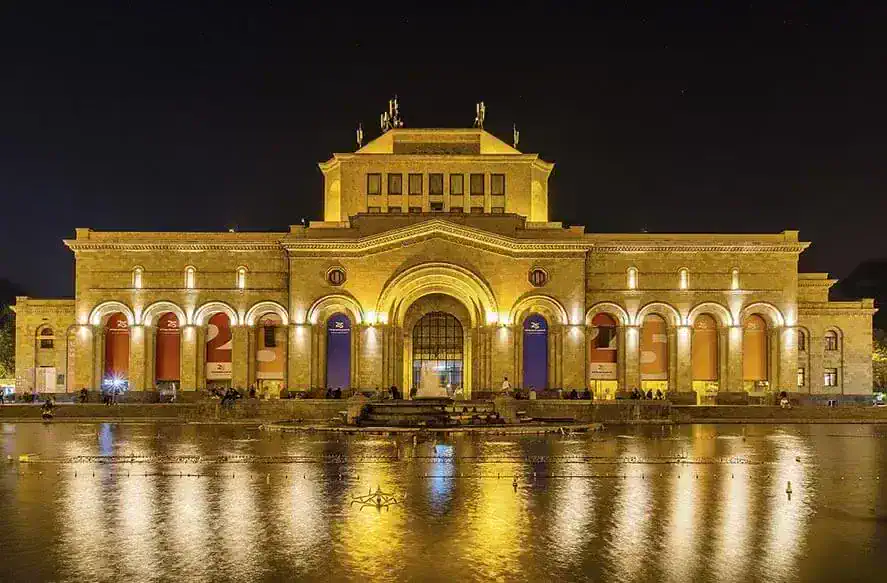
The History Museum of Armenia is the country's principal historical and archaeological museum, located on Republic Square in central Yerevan. Its permanent exhibition traces Armenian history chronologically from the Stone Age through the Early, Middle, and Late Bronze Ages, the Early Iron Age, the Urartu (Van) Kingdom, Armenia under Hellenistic and Roman influence (6th c. BC–3rd c. AD), the Early through Developed Middle Ages, and the period "along the paths to the restoration of statehood" (15th–18th centuries). In 1935, the Government of Armenia divided the museum into several parts. The Museum of Art of the Armenian SSR was changed into the present-day National Gallery of Armenia and received 1,660 objects. The Museum of Literature has become the present-day Charents Museum of Literature and Art and received 301 objects and 1,298 manuscripts. The State Museum of Ethnography was founded in 1978 and received 1,428 objects and 584 photographs. You can view archaeological artifacts, ancient jewelry, ceramics, and medieval objects across the chronological galleries; join a guided tour in Armenian, Western Armenian, or a foreign language; take part in educational programs; buy from the museum shop. Price: Entrance ticket: 2,500 AMD (50% discount — 1,250 AMD — for RA pensioners, refugees, schoolchildren over 12, and students) Guided tour: 4,000 AMD (Armenian/Western Armenian) or 5,000 AMD (Russian, English, French, German, Arabic) Educational programs: 2,000 AMD Free for several groups (children under 12, ICOM members, museum staff, various state/disability/social categories) with valid ID/status document, and free for RA citizens on the last Saturday of each month

Komitas Museum-Institute Cultural

Komitas Museum-Institute

Yerevan

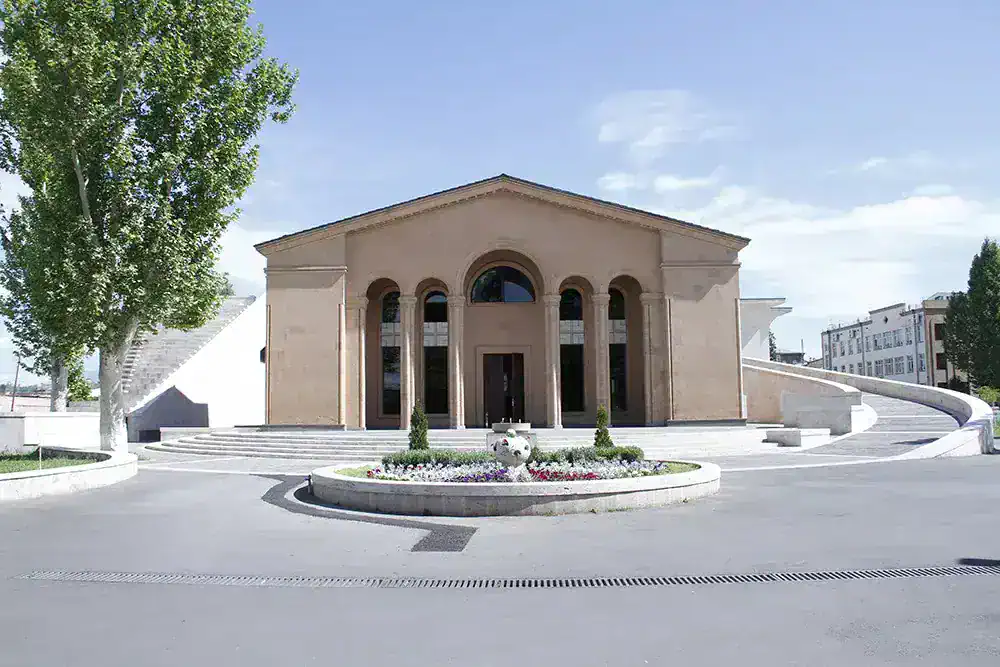
The Komitas Museum-Institute is dedicated to Soghomon Soghomonian, known as Komitas — composer, choirmaster, folklorist, and founder of the Armenian national school of composition. It officially opened on January 29, 2015, following a 2013 proposal by then-President Serzh Sargsyan, and stands in Komitas Park on the site of the former Palace of Culture; the museum-institute building was designed by architect Arthur Meschian. The permanent exhibition spans eight thematic halls tracing Komitas's life and his work as a composer, musicologist, folk-song collector, and performer. The institute also runs a temporary exhibition hall (covering Komitas, his contemporaries, and related arts), a research center studying Armenian traditional and sacred music, a publishing house, a concert hall hosting traditional and classical music concerts, a music library with a large collection of musicological books and CDs, and educational programs including a summer school and the annual "Komitas" international conference-festival (held late September–early October). What you can do there: tour the eight permanent exhibition halls, view temporary art/music exhibitions, attend concerts, visit the music library, join educational programs (children/schoolchildren), and take a guided tour in Armenian, Russian, or English.

National Museum-Institute of Architecture (Tamanian) Cultural

National Museum-Institute of Architecture (Tamanian)

Yerevan

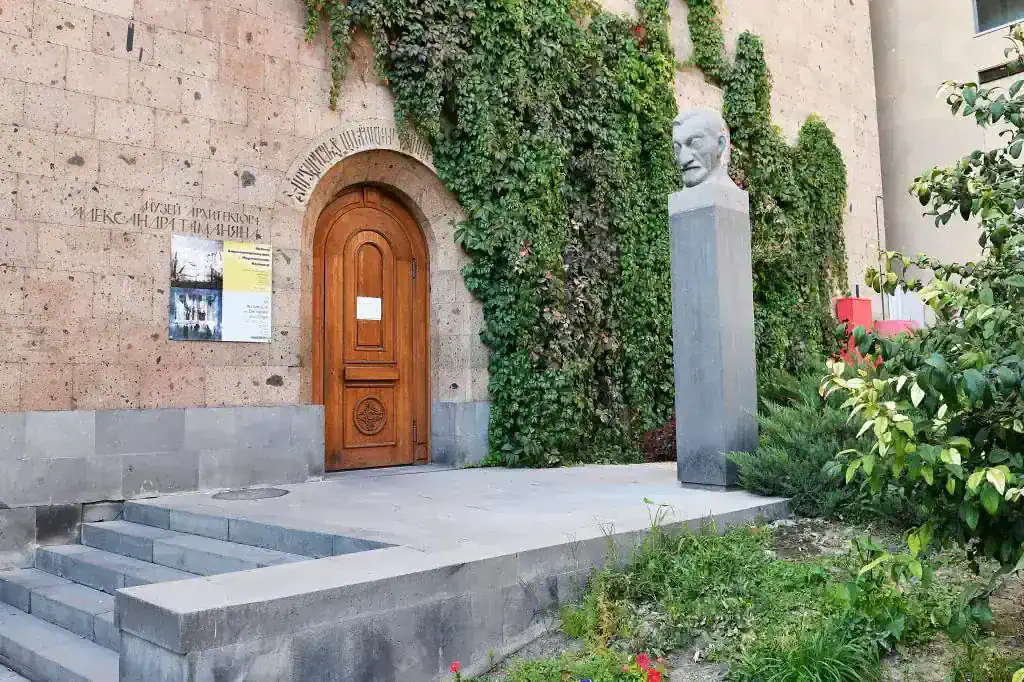
The National Museum-Institute of Architecture after Alexander Tamanyan presents the history and development of Armenian architecture, with special attention to the architect who shaped modern Yerevan. Visitors can explore architectural drawings, historical photographs, building plans, scale models, personal archives and temporary exhibitions dedicated to Armenian architects and urban design. They can learn how Yerevan’s streets, squares and major buildings were planned, compare original concepts with the city as it looks today and discover the ideas behind some of Armenia’s best-known landmarks. The museum is especially worth visiting for architecture lovers, history enthusiasts and anyone who wants to understand Yerevan more deeply.

Ara Sargsyan & Hakob Kojoyan House-Museum Cultural

Ara Sargsyan & Hakob Kojoyan House-Museum

Yerevan

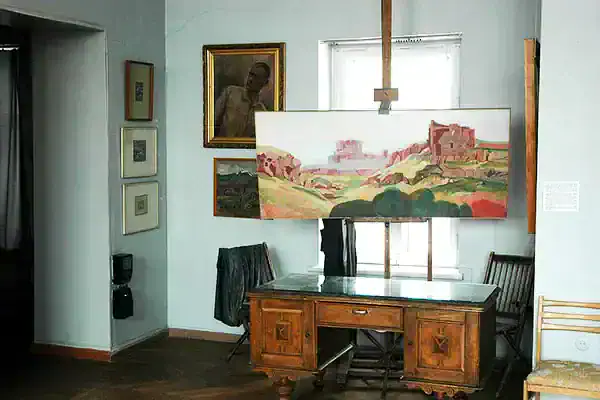
This house museum in central Yerevan preserves the shared residence of sculptor Ara Sargsyan (1902 to 1969) and painter Hakob Kojoyan (1883 to 1959), who lived and worked in the building from 1934 onward. In 1970 a Soviet decree set the museum in motion, and in 1973 the artists' descendants donated the house to the state, at which point it became a branch of the National Gallery of Armenia. The ground floor is devoted to Ara Sargsyan's work and includes photographs and manuscripts from his student years alongside his theatrical and graphic design pieces. The second floor holds Hakob Kojoyan's paintings, handicrafts, and personal belongings, with particular emphasis on his book illustration work, including his illustrations for Armenian fairy tales. The collection also draws on holdings from the National Gallery of Armenia and gifts from the artists' heirs. What you can do: View sculptor Ara Sargsyan's student-era photographs, manuscripts, and theatrical and graphic design work on the ground floor. See painter Hakob Kojoyan's paintings and personal belongings on the second floor, including his illustrations for Armenian fairy tales.

1 2 3 4 5 6 ... 10