Categories
Region
Charles Aznavour Museum Cultural

Charles Aznavour Museum

Yerevan

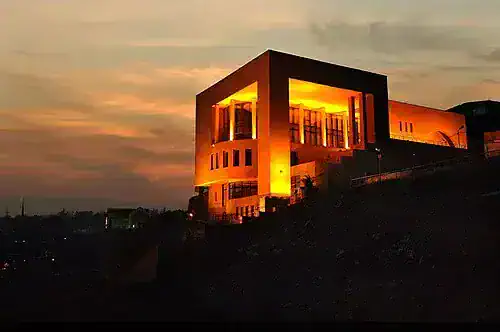
The Aznavour Center is an interactive museum and cultural center on the upper part of Cascade Hill in Yerevan, a project Charles Aznavour personally worked on during the last two years of his life. The building was inaugurated in 2011 (with Nicolas Sarkozy and then-President Serzh Sargsyan present), and the museum's full interactive exhibition — 10 halls tracing Aznavour's life from family history to world fame, presented via an audio guide narrated in his own voice — was completed later. Exhibits include his CDs, books, awards, and posters, and the building also hosts concerts, exhibitions, and conferences, plus an educational program teaching film, music, and French (partly through the lyrics of Aznavour's songs). What you can do there: tour the 10 exhibition halls with an audio guide, see personal memorabilia (awards, posters, recordings), attend concerts/exhibitions/conferences when scheduled, take French-language or music/film classes.
Alexander Spendiaryan House-Museum Cultural

Alexander Spendiaryan House-Museum

Yerevan

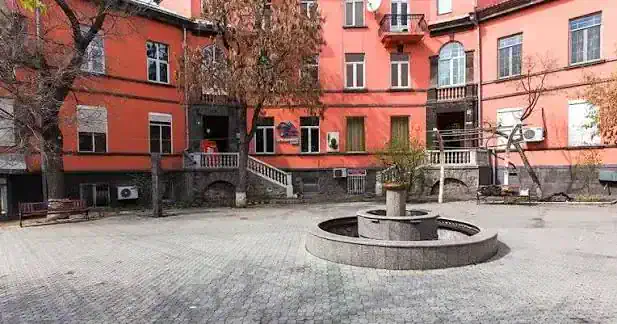
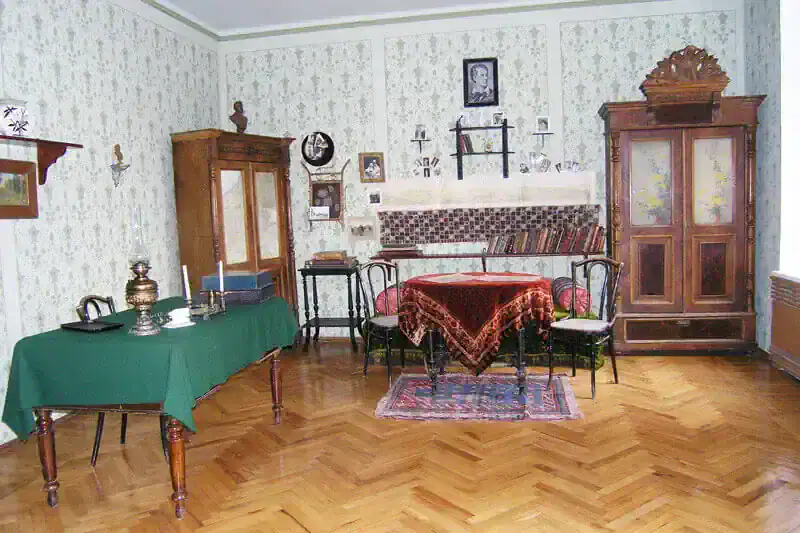
The Alexander Spendiaryan House-Museum, founded in 1963 and opened to the public in 1967, was Armenia's first museum dedicated to a musician. It occupies the apartment where composer Alexander Spendiaryan lived during the final years of his life (1926–1928), in a building that is itself a protected monument of republican significance (architect Nikoghayos Buniatyan). The museum's founder was the composer's daughter, Marina Spendiarova. Its collection of more than 1,400 items — personal belongings, documents, photographs, letters, and creative works — is displayed across "Life Path" and "Creative Path" halls, and his preserved office looks as it did during his lifetime. A section is devoted to the stage history of his opera "Almast," Armenia's first national opera. What you can do there: view Spendiaryan's restored office and personal belongings, try the interactive "Virtual Conductor" program, listen to a recording of the composer's violin, play a "Spendiarophone" instrument, explore exhibits on the "Almast" opera, and take a guided tour in Armenian, Russian, or English; the museum also hosts concerts, lectures, and educational programs (including the ongoing "Children Masters" project), and can arrange evening visits with concerts/refreshments by prior appointment. Price: Entrance ticket: 1,200 AMD Pupil/student/pensioner ticket: 600 AMD Free for children under 12 Guided tour: 3,000 AMD (Armenian) / 3,500 AMD (English or Russian) — book in advance

Hovhannes Tumanyan Museum Cultural

Hovhannes Tumanyan Museum

Yerevan

The Hovhannes Tumanyan Museum was established on April 5, 1953, to mark the 30th anniversary of the death of Hovhannes Tumanyan, one of Armenia's most celebrated poets and writers. It was founded and initially directed by Ashkhen Tumanyan, the poet's daughter, and designed by architect Grigor Aghababyan. The permanent building sits on a hilltop at Moskovyan 40 in central Yerevan, reached by climbing 54 steps, a number chosen to symbolize the years of Tumanyan's life. A new exhibition hall dedicated to the poet's life and work opened there in 1969. The museum holds more than 18,000 to 19,000 exhibits, including manuscripts, his personal library, personal belongings, family archives, documents, sketches, and publications of his work in more than 45 languages. The collection also includes furniture and reconstructed living spaces recreating his residence. What you can do: View manuscripts, personal belongings, and the personal library of poet Hovhannes Tumanyan. See reconstructed rooms from his residence and family archives.

Aram Khachaturian House-Museum Cultural

Aram Khachaturian House-Museum

Yerevan

The Aram Khachaturian House-Museum is dedicated to the composer Aram Khachaturian, known internationally for works including the ballets "Gayane" and "Spartacus" and the "Sabre Dance." The museum offers guided tours, VR headset demonstrations, and musical cinema screenings, and its concert hall and garden are available for rental for cultural events. It participates in citywide free admission initiatives, including Doors Open Days on the last Saturday of each month for Armenian citizens, as well as observances of International Museum Day and European Heritage Days. What you can do: Tour the museum's exhibits on composer Aram Khachaturian's life and work. Try a VR headset demonstration related to his music.

Martiros Saryan House-Museum Cultural

Martiros Saryan House-Museum

Yerevan

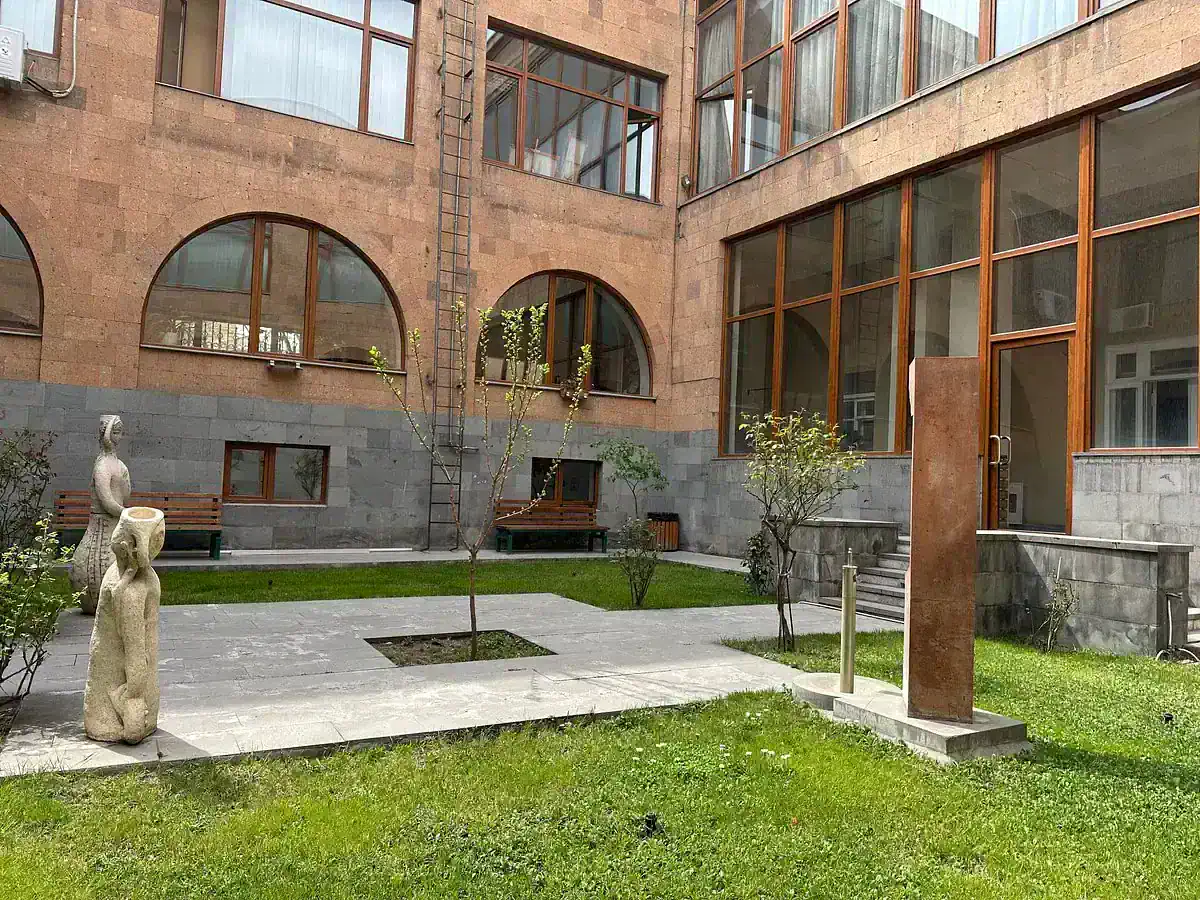
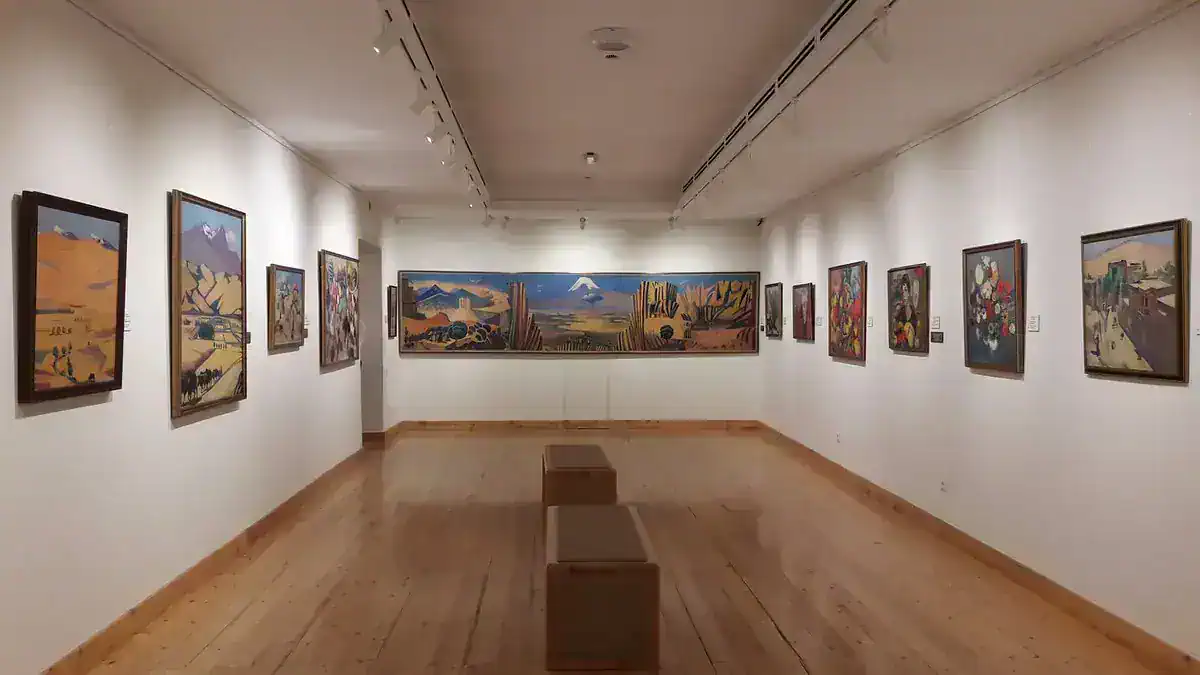
The Martiros Saryan House-Museum was opened in 1976, in the same building where the painter Martiros Saryan (1880 to 1972), one of the most significant figures in 20th-century Armenian art, lived and worked. The museum holds more than 300 of his canvases spanning different periods of his career, including works titled "Oriental Flowers," "Self-Portrait," and "Still Life with Egyptian Masks." A central attraction is Saryan's preserved studio, where visitors can see his working space and tools as he left them. The building has since undergone renovation, adding a fourth floor that now houses a conference hall and an art studio. The museum runs educational programs for children and hosts musical concerts, alongside ongoing scholarly research into Saryan's life and work. What you can do: View more than 300 of Martiros Saryan's paintings spanning his career. Walk through his preserved studio and see his original tools and working space.

Sergei Parajanov Museum Cultural

Sergei Parajanov Museum

Yerevan

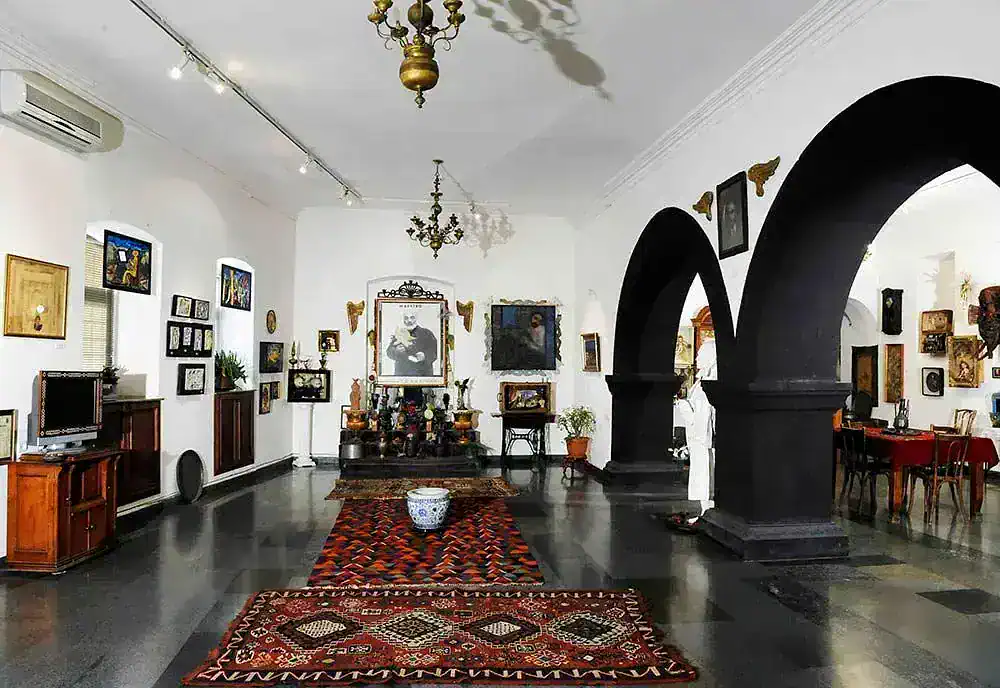
The Sergei Parajanov Museum is dedicated to the Armenian filmmaker Sergei Parajanov, director of "The Color of Pomegranates" and "Shadows of Forgotten Ancestors." The Armenian government established the museum in 1988 at the Dzoragyugh Ethnographic Center, building two structures, one for exhibitions and one modeled on Parajanov's residence. It holds more than 600 artworks, with about 250 on permanent display alongside documents and photographs. The collection reflects Parajanov's wide-ranging creative output beyond film, including assemblages, collages, drawings, dolls, and film sketches, much of it made during his five years in Soviet prison and the roughly fifteen years he was barred from professional filmmaking afterward. The museum also preserves correspondence between Parajanov and figures including Andrei Tarkovsky, Mikhail Vartanov, Federico Fellini, Yuri Nikulin, and Lilya Brik, as well as furnishings from his Tbilisi home, documented by filmmaker Mikhail Vartanov before their transfer to Armenia. His work blends Armenian, Eastern, and European artistic traditions through unconventional materials and three-dimensional composition. What you can do: View around 250 of Parajanov's collages, assemblages, drawings, and dolls, many created during his years of imprisonment and professional exile. See personal correspondence with figures such as Fellini and Tarkovsky. View furnishings from his Tbilisi home. Watch a film screening on-site (minimum group of 5). Take a guided or audio tour in one of ten languages.

Erebuni Fortress & Museum Cultural

Erebuni Fortress & Museum

Yerevan

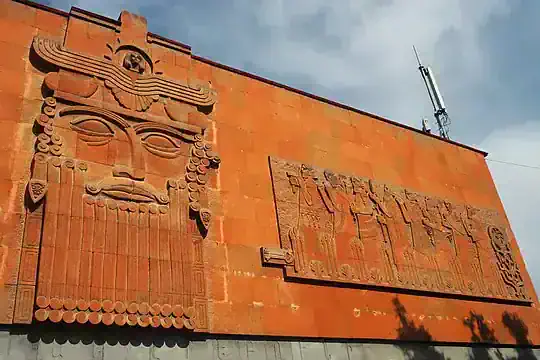
Erebuni Fortress sits on Arin Berd hill in Yerevan and was founded in 782 BC by the Urartian king Argishti I. The fortress functioned as a major administrative and religious center and, for a time, a royal capital overlooking the Aras River valley. Its name comes from the Urartian word "erebuni," believed to mean capture, conquest, or victory, and many scholars consider it the origin point of modern Yerevan given the linguistic connection between the two names. The fortress was built atop a hill 65 meters high, with a triangular layout enclosed by ramparts 10 to 12 meters high made of basalt, tuff, wood, and adobe. Inside stood Argishti's palace, a columned royal assembly hall, a temple to the god Khaldi, garrison quarters, storerooms, and walls decorated with religious and secular murals. The Erebuni Historical and Archaeological Museum-Reserve opened in 1968 to mark the 2,750th anniversary of the city's founding, in a building designed by architects Shmavon Azatyan and Baghdasar Arzumanyan in a style referencing Urartian palace architecture. It holds over 12,700 artifacts spanning the pre-Urartian period through the early Armenian era, including cuneiform inscriptions, armor, jewelry, bronze bracelets, and ceremonial vessels. One of its inscriptions documents the founding of the city itself. What you can do: Walk the excavated ruins of Argishti I's 8th-century BC fortress on Arin Berd hill, including the remains of the palace, assembly hall, and temple to Khaldi. View more than 12,700 artifacts in the museum below, including cuneiform inscriptions, armor, and ceremonial vessels.

Armenian Genocide Museum (Tsitsernakaberd) Cultural

Armenian Genocide Museum (Tsitsernakaberd)

Yerevan

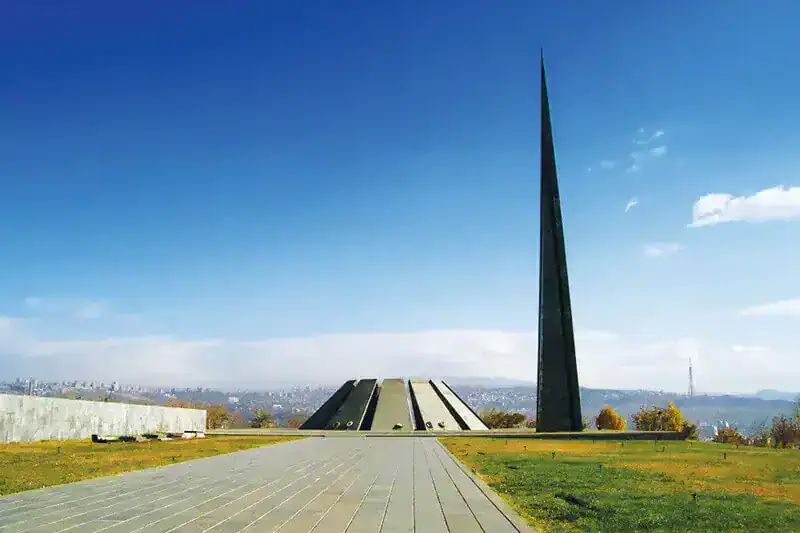
The Tsitsernakaberd memorial complex sits on a hill in Yerevan and serves as Armenia's official memorial to the victims of the Armenian Genocide. The idea for a permanent memorial dates to 1960 under the Communist Party leadership, and on February 15, 1965, Armenian authorities approved formal plans to honor the 1.5 million victims. It was designed by architects Arthur Tarkhanyan and Sashur Kalashyan with artist Hovhannes Khachatryan. The complex has three main elements. The Temple of Eternity consists of twelve basalt slabs arranged in a circle around an eternal flame, with the twelve slabs representing the historical provinces of Western Armenia. The Memorial Column rises 44 meters and is split into two sections symbolizing national rebirth. The Memorial Wall runs 100 meters and is inscribed with the names of towns and villages affected by the massacres and deportations, with the names of individuals who helped rescue Armenians during the genocide inscribed on its rear side. The Armenian Genocide Museum-Institute opened alongside the memorial in 1995, on the 80th anniversary of the genocide, designed by Sashur Kalashian, Lyudmila Mkrtchyan, and sculptor F. Araqelyan as a two-story structure built into the hillside so as not to compete visually with the monument above. It holds more than 1,000 square meters of exhibition space across three indoor halls and an outdoor gallery, along with a 170-seat auditorium, a library, and archival storage, and it conducts academic research and publishes the International Journal of Armenian Genocide Studies. What you can do: Walk the memorial complex and see the Temple of Eternity, the eternal flame, the 44-meter Memorial Column, and the 100-meter Memorial Wall inscribed with the names of affected towns and villages. Tour the underground museum's exhibition halls documenting the genocide with photographs, documents, and testimony.

1 ... 5 6 7 8 9 10