



Sevan, Dilijan, Haghartsin, Goshavank, Lake Parz

In a unique combination, our tourist group visits Lake Sevan and Sevanavank of the 9th century during this tour. According to the group's request, a cruise on Lake Sevan will be organized. Next, we have a food stop, followed by 10-13th-century monasteries: Goshavank and Haghartsin.

23 May, 23 April
Start | End time: 08:30:00 | 19:00:00
Language: English, Russian, Armenian, French, German
Duration: 1 day
Start | End point: 1 Sayat-Nova Ave, Yerevan 0010, Армения | 1 Sayat-Nova Ave, Yerevan, Армения
Type of tour: Group
Group size: 12

Inclusions

  • Transport Transport
  • Guide service (if there are foreign participants, the tour may be conducted in two languages) Guide service (if there are foreign participants, the tour may be conducted in two languages)
  • Bottled water Bottled water

Exclusions

  • Meal Meal

Tour program

Day 1

Stop 1.LAKE SEVAN

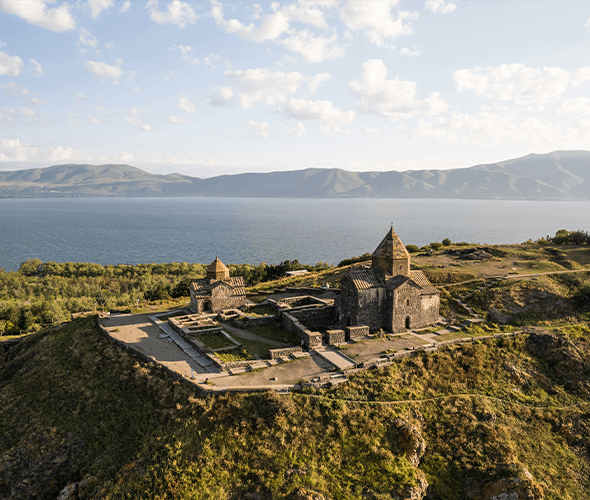
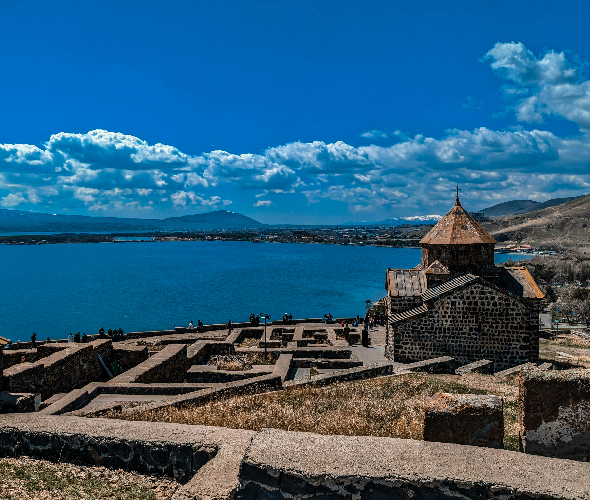
The first place we will visit is Lake Sevan, the beauty of Armenia. Being 1900 meters above sea level, Sevan is the second-highest lake in the world with a freshwater supply. Sevan, of volcanic origin, is surrounded by mountain ranges divided into two parts and one large peninsula. Lake Sevan enjoys great popularity among tourists for both active and passive recreation. With a maximum depth of 83 meters, Sevan is the only one of the three historical Armenian lakes located on the territory of the Republic of Armenia.
Stop 2.SEVANAVANK MONASTERY

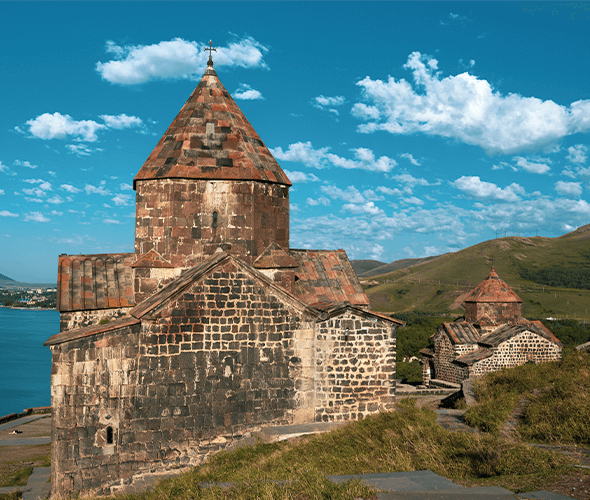
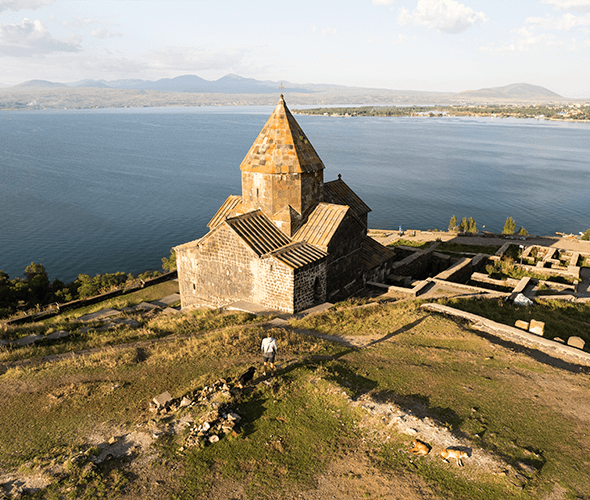
Mariam, the daughter of King Ashot I, promised to build 30 churches in honour of her late husband. She kept her promise throughout her life. One of them, Sevanavank, was built in 874. Founded in the 4th century, Sevanavank experienced its development in the 9th century. Apart from the two standing churches, the unique khachkar of the 17th century, with its many biblical scenes, deserves special attention. The name of the capital, Yerevan, was recorded for the first time on the dome of Sevanavank.

Stop 3.HAGHARTSIN MONASTERY

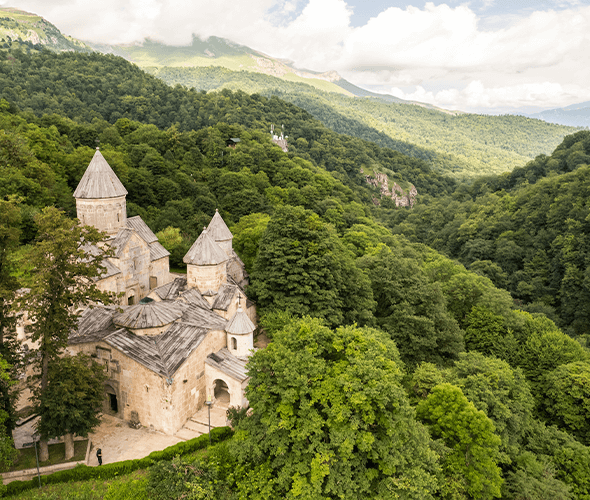
Although it is customary in Armenia to use mainly tuff or basalt stones for construction, two types of stones were used for Haghartsin Monastery: travertine and basalt. Built of white stone, this monastery has had its own place in Armenian culture and education since the 10th century. The monastery had been built for about three centuries, in the beautiful valley of the Tavush forests, in the very heart of the forest. Here is also the refectory of the monastery, which is considered an architectural masterpiece. In addition to the actual structures, there is also a royal mausoleum here. By the way, very tasty gata is sold near here.

Stop 4.OLD DILIJAN COMPLEX

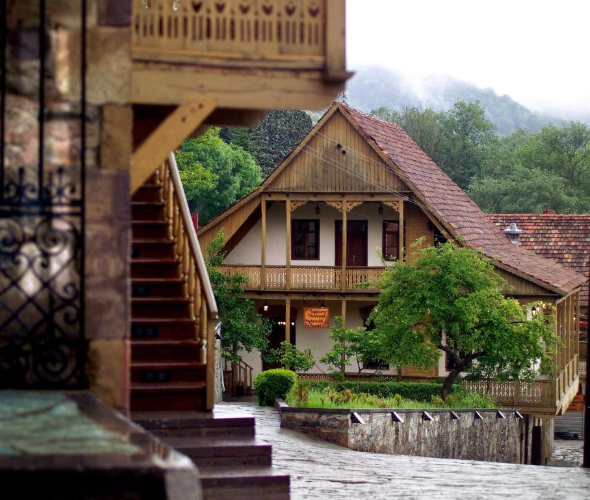
We’ll explore the Old Dilijan Complex on Sharambeyan Street — a beautifully restored area showcasing 19th-century Armenian life. Guests can stroll along cobblestone streets and capture memorable photos of this charming historic corner of Dilijan.

Stop 5.LAKE PARZ

We’ll visit the beautiful Lake Parz, nestled in the forests of Dilijan National Park. Surrounded by lush greenery and mountain views, it’s a perfect place to relax, take photos, or enjoy a short walk by the lake. Guests can also rent a boat or simply unwind in the peaceful natural setting before continuing the journey.

Stop 6.GOSHAVANK MONASTERY

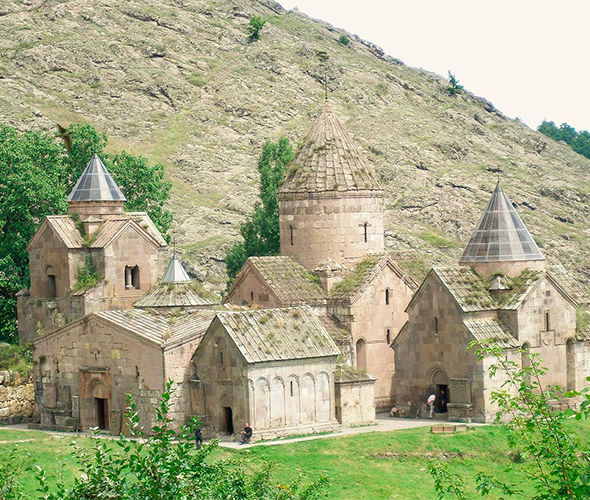
One of the most famous spiritual and educational centers of medieval Armenia is Goshavank, which got its name from the multi-talented clergyman and scientist Mkhitar Gosh. The collection of laws created by him is considered exceptional for its time, and was used in many legislations of the world to this day. The monastery complex consisting of five churches, three chapels, a vestibule, and a refectory, will not leave any curious tourist indifferent. The monastery is located in the Gosh village of the same name. The embroidered khachkar of the 13th century, belonging to master Poghos, deserves special attention.