Stop 1.Arrival
Pick up from the airport—time for rest.
Embark on a 10-day cultural and spiritual adventure through Armenia, exploring its ancient monasteries, stunning landscapes, and rich heritage. From the pagans’ temple of Garni to the UNESCO-listed Geghard Monastery and sacred Khor Virap, this journey immerses you in Armenia’s timeless charm. ## Discover Yerevan’s landmarks, taste world-famous Areni wines, stroll through Gyumri’s artistic streets, and experience unique traditions such as lavash baking. Visit the monasteries of Dilijan, Noravank, Tatev, Haghpat, and Sanahin, hike to St. Hovhannes Chapel, and marvel at the Armenian Alphabet Monument. ## With expert guides, cozy accommodations, and thoughtfully planned activities, this tour offers a perfect blend of history, culture, nature, and local experiences—an unforgettable introduction to Armenia’s past and present.
 Breakfast
 Guide Service
 Lavash baking master class
 Bottled water
 Entrance tickets according to the program
 Welcome Dinner with Folk Music
 Airport transfers (arrival & departure)
 Accommodation (Twin/Double room)
 Hotel pick up and Drop off
 Flight tickets & visa fees
 Single room supplement
 Lunch & dinner
 Personal travel insurance
Pick up from the airport—time for rest.
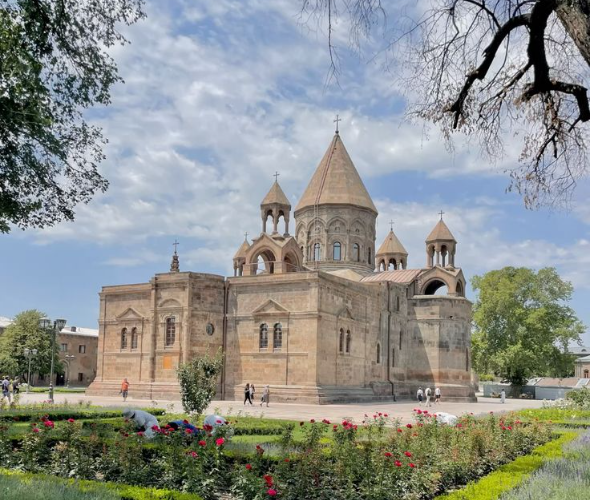
Etchmiadzin Cathedral, one of the world’s oldest Christian churches, serves as the spiritual center of the Armenian Apostolic Church. A UNESCO World Heritage Site dating back to the 4th century, it remains a key pilgrimage site destination.
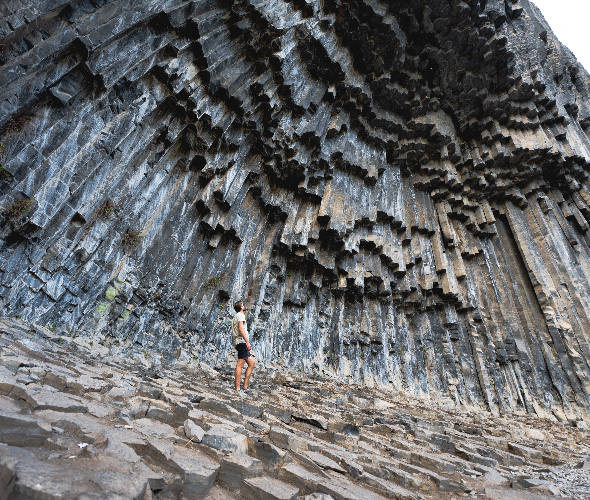
Symphony of Stones is a natural rock formation of basalt columns that appear as if crafted by human hands, making it a geological wonder.
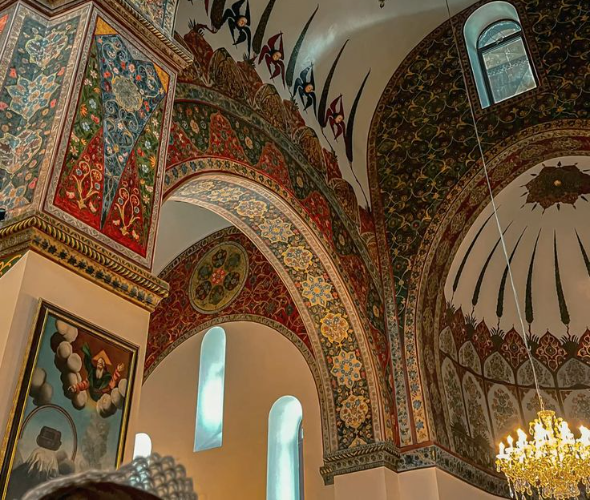
We will visit the 7th-century Saint Hripsime and Saint Gayane Churches, dedicated to the early Christian martyrs who played a crucial role in spreading Christianity in Armenia. These beautifully preserved churches exemplify stunning medieval architecture and hold deep historical significance.
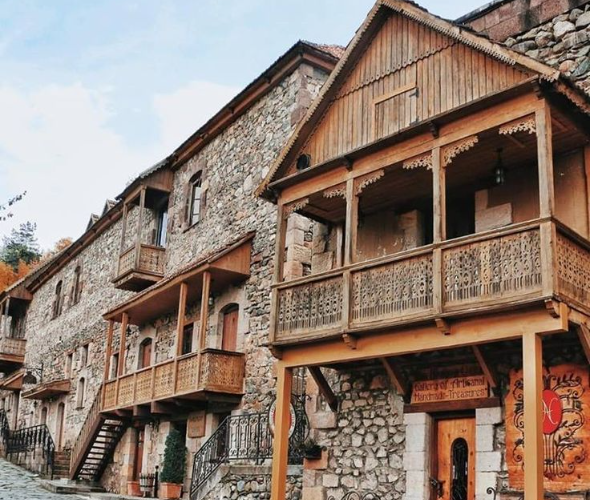
We’ll journey to Dilijan, a town often referred to as the "Second Switzerland" for its lush forests, rollinghills, and alpine charm. Known as a haven for artists, nature lovers, and those seeking tranquility, Dilijan offers a perfect blend of natural beauty and cultural heritage.
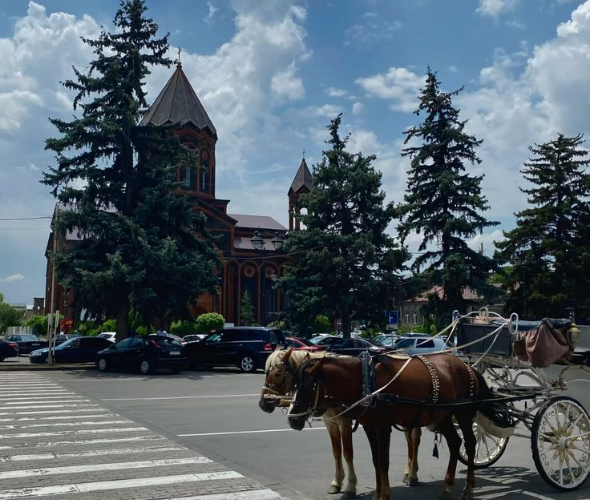
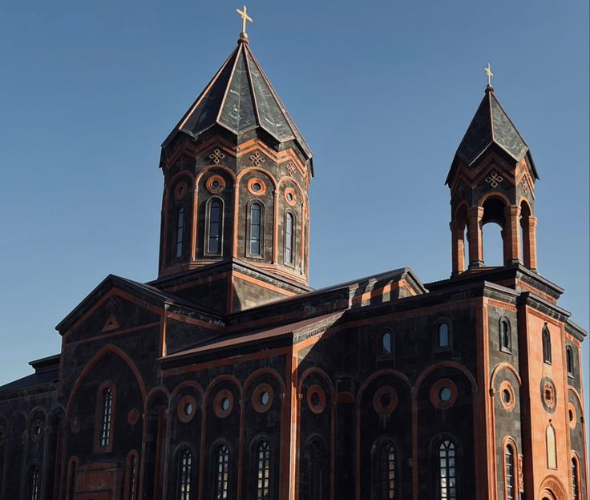
Gyumri, Armenia’s second-largest city, is known for its rich cultural heritage, traditional architecture, and resilience. Its historic center reflects a blend of artistic, religious, and urban traditions shaped over centuries. The city’s main spiritual landmark is the Cathedral of the Holy Mother of God (Our Lady of Seven Wounds), located in Gyumri’s central square. Built in the 19th century, it is renowned for its distinctive black-and-orange tuff stone, elegant arches, and peaceful interior. The cathedral is one of the most important religious sites in northern Armenia.
Enjoy a free day to explore the city at your own pace.
Khor Virap Monastery is a site of great historical significance tied to Armenia’s adoption of Christianity. Here, you will have the chance to descend into the underground dungeon inside St. Gregory the Illuminator Chapel. From the monastery grounds, you’ll enjoy breathtaking views of the sacred Mount Ararat.
Aparan St. Khach Church was founded in the fourth century. It's the only structure from the once-large monastic complex that has reached us. Fortunately, the main St. Khach church, whose walls date back to the 5th century, still stands. For thousands of years, the church and its territory have been the epicenter of many historical events. There have been wars, earthquakes, and bright days here. In 1877, the temple's roof was restored, and in 1959, it was again transformed from a warehouse into a church.
We will drop you off at the airport and assist with any last-minute needs.
Tatev Monastery, located in Syunik’s village of Tatev, is one of Armenia’s most important medieval spiritual and cultural centers. Its earliest structures date to the 4th century, and the monastery was officially founded in 844. Major buildings include the Church of St. Gregory the Illuminator (848), the large Church of Saints Peter and Paul (895–906), and the unique swaying Gavazan pillar. From the 9th to 11th centuries, Tatev housed about 500 monks and became home to the University of Tatev, a major Armenian educational and intellectual center. The monastery suffered destruction during the Seljuk (1170) and later Timur invasions but was rebuilt under the Orbelian princes in the 13th century and revived again in the 17th–18th centuries.
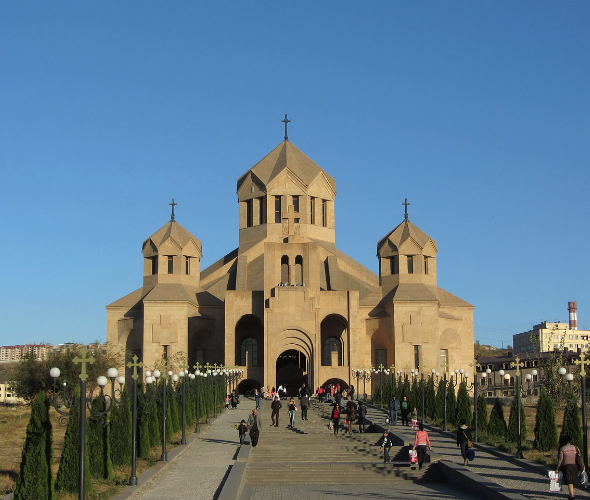
St. Gregory the Illuminator Cathedral is the largest Armenian Apostolic church in the world, built to mark the 1700th anniversary of Armenia’s adoption of Christianity. It houses important relics of St. Gregory the Illuminator and serves as a major spiritual center for pilgrims. With its impressive architecture and peaceful interior, it is one of the most significant worship sites in modern Yerevan.
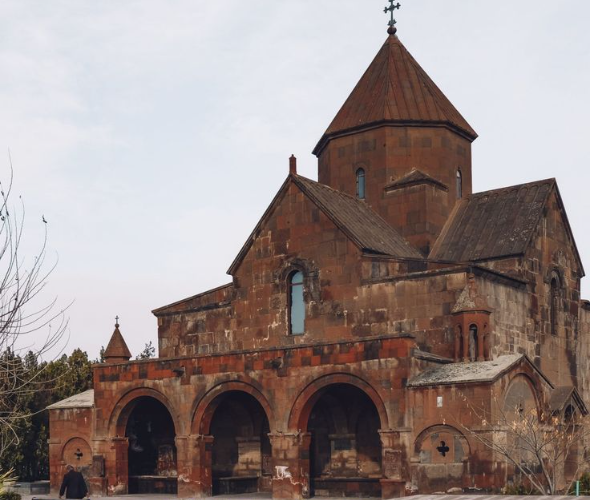
We will visit the 7th-century Saint Hripsime and Saint Gayane Churches, dedicated to the early Christian martyrs who played a crucial role in spreading Christianity in Armenia. These beautifully preserved churches exemplify stunning medieval architecture and hold deep historical significance.
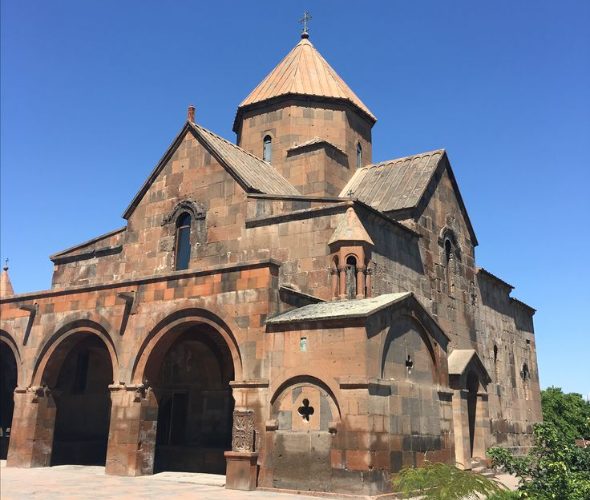
Finally, we explore the ruins of Zvartnots Cathedral, a remarkable 7th-century masterpiece known for its unique circular design. Though now in ruins, it continues to symbolize medieval Armenian grandeur, offering breathtaking views of Mount Ararat in the distance.
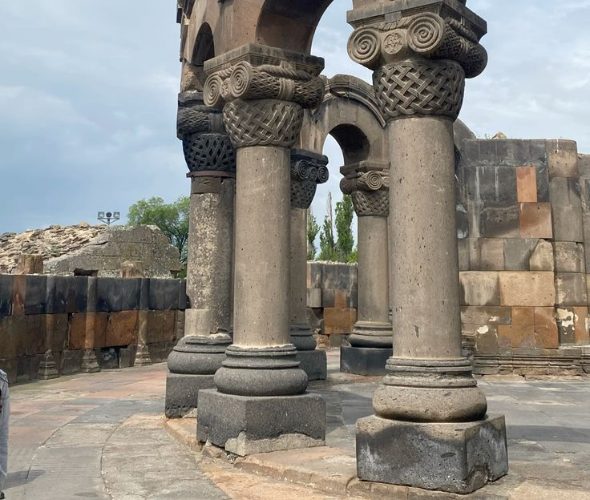
Noravank is one of Armenia’s most magnificent medieval monastic complexes, located near the village of Amaghu and often called Noravank of Amaghu. Set in a gorge of striking red volcanic cliffs, it stands out for its unique and highly distinctive architectural style.Founded in the 9th century and largely rebuilt in the 13th–14th centuries, the complex includes the Holy Mother of God Church (Burtelashen), the Saint Stephen Nakhavka Church with its narthex, the Church of Saint Gregory (the tomb of Stepanos Orbelian), as well as remains of medieval structures and a newly built monastery. Famous for its rich sculptures, remarkable khachkars (cross-stones), and valuable inscriptions, Noravank is considered an outstanding monument of Armenian cultural heritage.
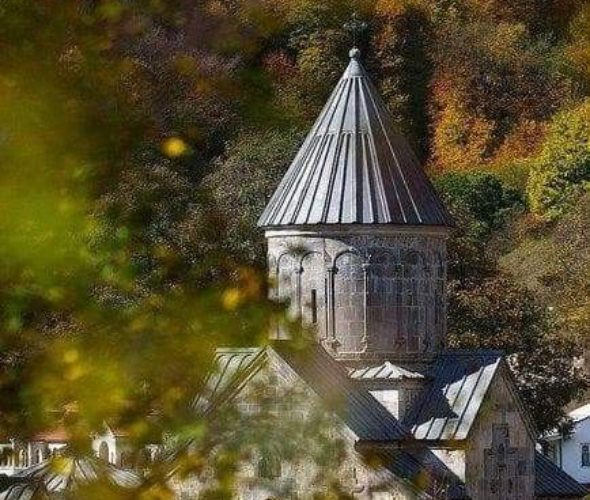
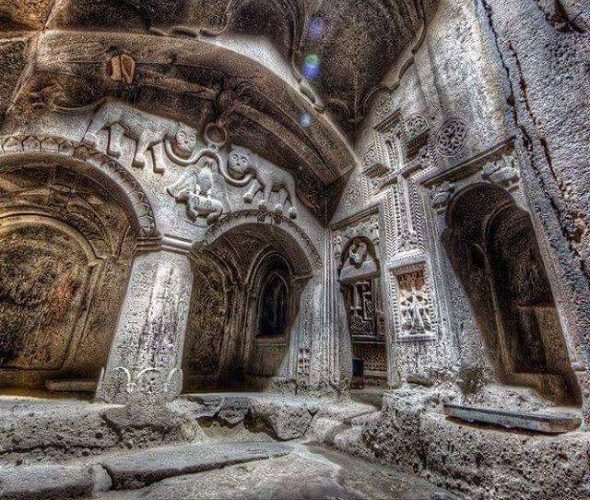
Our journey continues with a visit to the Geghard Monastery, a UNESCO World Heritage site and a masterpiece of medieval Armenian architecture
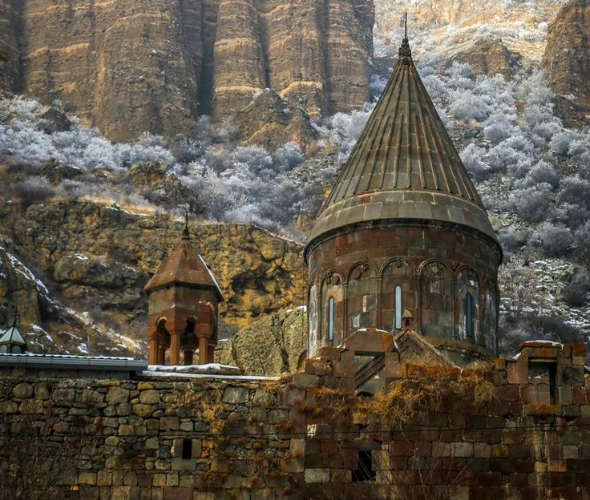
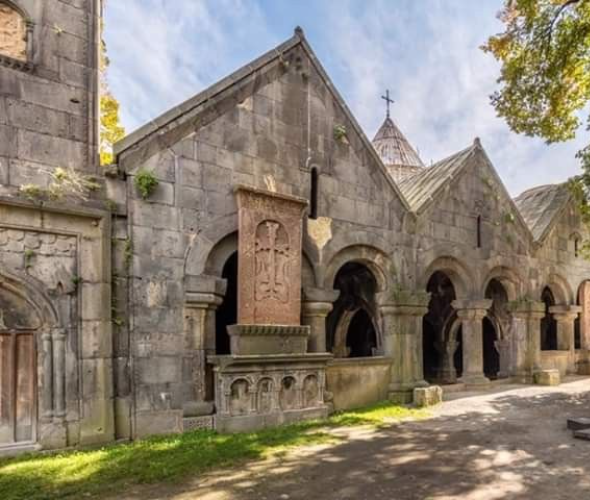
While in Dilijan, we’ll explore two of its most renowned historical landmarks: Goshavank Monastery, a 12th-century masterpiece named after the famous scholar and clergyman Mkhitar Gosh. This site is not only an architectural wonder but also a symbol of Armenia's rich medieval heritage. Haghartsin Monastery is nestled deep within the forests of Dilijan National Park. This spiritual retreat, dating back to the 10th-13th centuries, is surrounded by serene landscapes that enhance its mystical atmosphere.
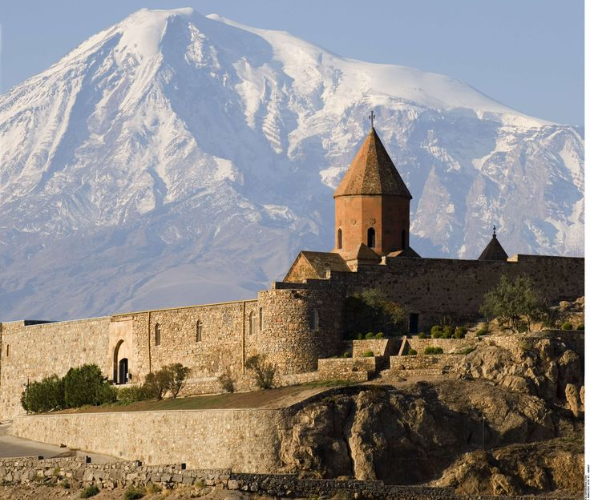
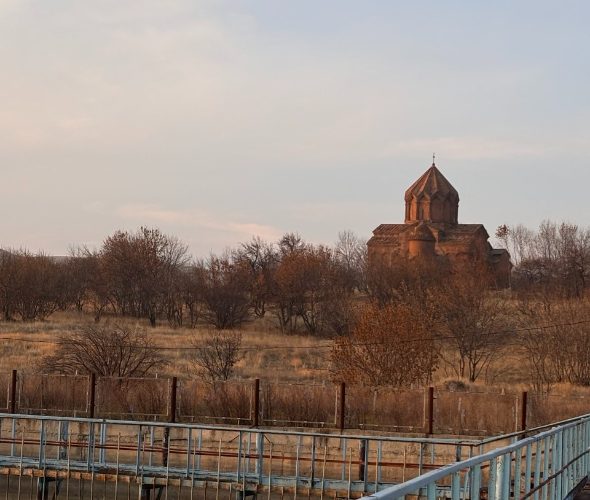
Not far from Gyumri lies the Marmashen Monastery, a 10th–11th century monastic complex situated above the Akhuryan River. Known for its harmonious architecture and warm reddish stone, Marmashen consists of several churches built under Prince Vahram Pahlavuni. It is considered one of the finest examples of medieval Armenian architecture and remains a serene spiritual and historical site.
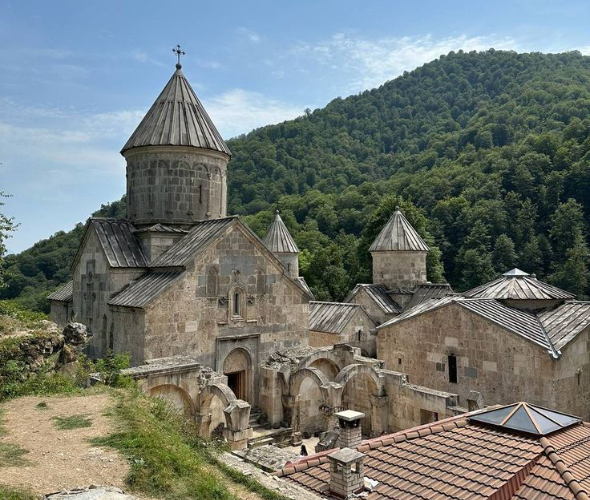
Aparan St. Khach Church was founded in the fourth century. It's the only structure from the once-large monastic complex that has reached us. Fortunately, the main St. Khach church, whose walls date back to the 5th century, still stands. For thousands of years, the church and its territory have been the epicenter of many historical events. There have been wars, earthquakes, and bright days here. In 1877, the temple's roof was restored, and in 1959, it was again transformed from a warehouse into a church.
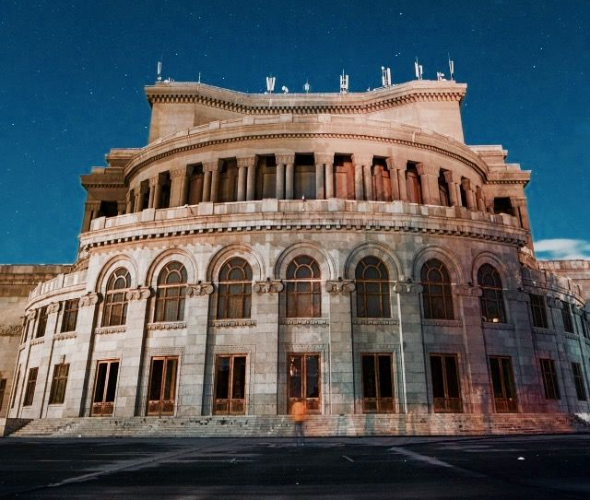
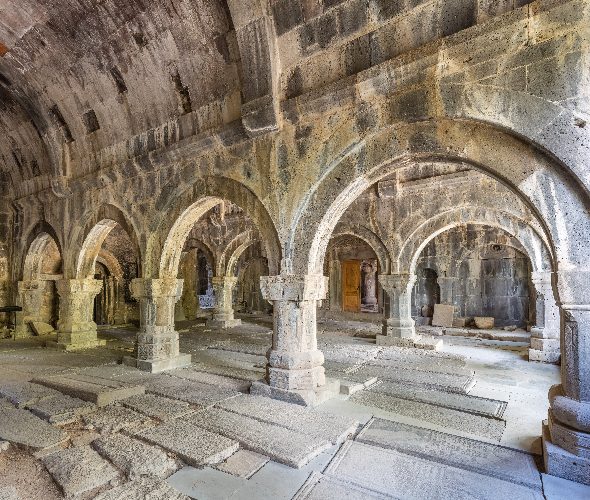
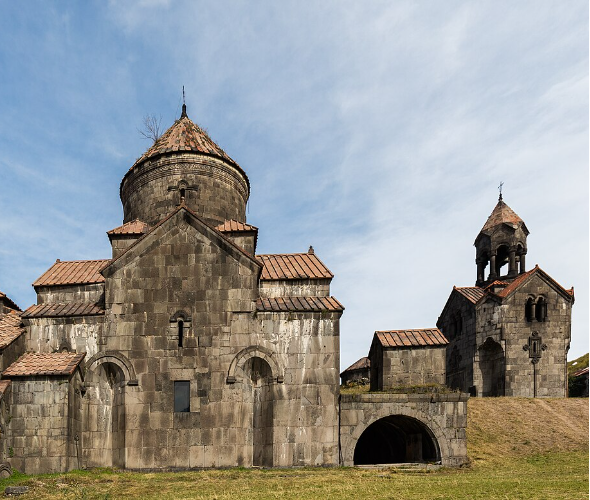
Haghpat Monastery
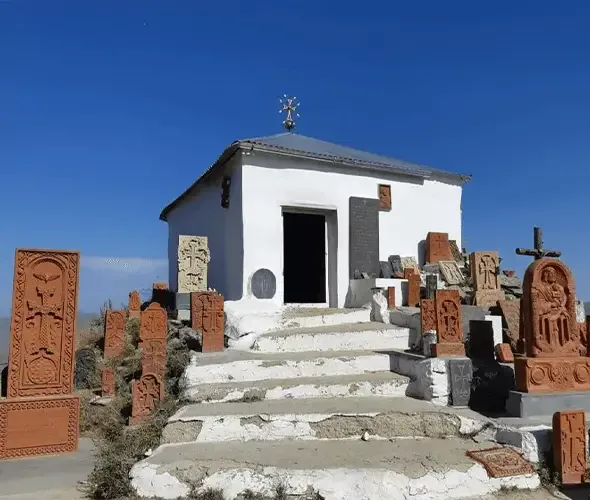
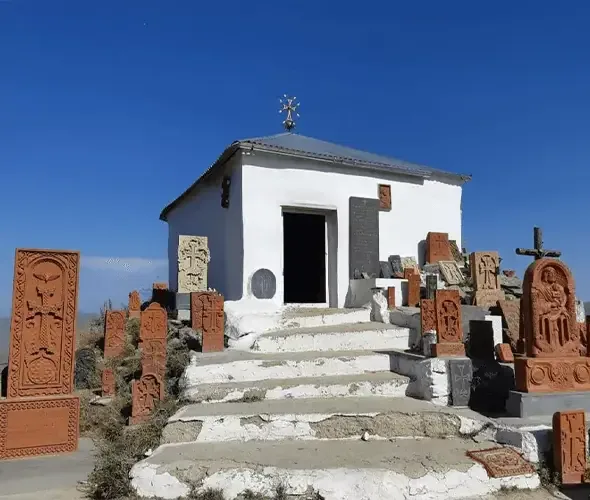
We will go to Hartagyugh, where we start the pilgrimage and the ascent to the top of Srbi Mountain. After about one and a half to two hours of walking, we reach St. Hovhannes chapel, where, according to tradition, the relic of Hovhannes the Baptist, brought here in the 13th century, is enshrined. The chapel, which was blown up three times during the Soviet years and restored, was renovated for the last time in 1958. Since 2005, khachkars have been placed around the chapel to mark the fulfilment of the covenant. This popular destination attracts more and more pilgrims and visitors every year.
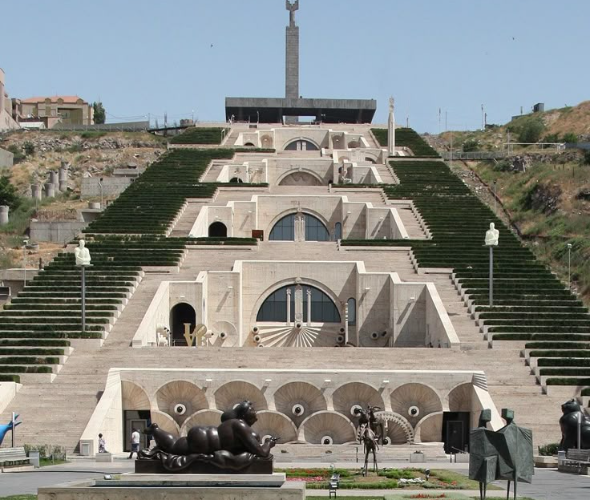
Monument of the Armenian alphabet
© 2026 Armenia Discovery. All Rights Reserved.
Powered by Munich Ventures