Erebuni Fortress & Museum
Yerevan
Erebuni Fortress & Museum
About
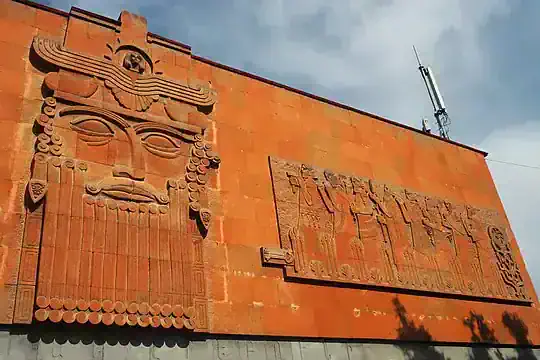
Erebuni Fortress sits on Arin Berd hill in Yerevan and was founded in 782 BC by the Urartian king Argishti I. The fortress functioned as a major administrative and religious center and, for a time, a royal capital overlooking the Aras River valley. Its name comes from the Urartian word "erebuni," believed to mean capture, conquest, or victory, and many scholars consider it the origin point of modern Yerevan given the linguistic connection between the two names. The fortress was built atop a hill 65 meters high, with a triangular layout enclosed by ramparts 10 to 12 meters high made of basalt, tuff, wood, and adobe. Inside stood Argishti's palace, a columned royal assembly hall, a temple to the god Khaldi, garrison quarters, storerooms, and walls decorated with religious and secular murals. The Erebuni Historical and Archaeological Museum-Reserve opened in 1968 to mark the 2,750th anniversary of the city's founding, in a building designed by architects Shmavon Azatyan and Baghdasar Arzumanyan in a style referencing Urartian palace architecture. It holds over 12,700 artifacts spanning the pre-Urartian period through the early Armenian era, including cuneiform inscriptions, armor, jewelry, bronze bracelets, and ceremonial vessels. One of its inscriptions documents the founding of the city itself.
What you can do: Walk the excavated ruins of Argishti I's 8th-century BC fortress on Arin Berd hill, including the remains of the palace, assembly hall, and temple to Khaldi. View more than 12,700 artifacts in the museum below, including cuneiform inscriptions, armor, and ceremonial vessels.